Pearl Necklaces & Earrings

Akoya, Tahitian, South Sea and freshwater cultured pearls, set in solid 14K and 18K gold. Each variety differs in origin, lustre and colour, not just size. Mother-of-pearl pieces sit alongside, a different material from pearl itself despite the shared name.

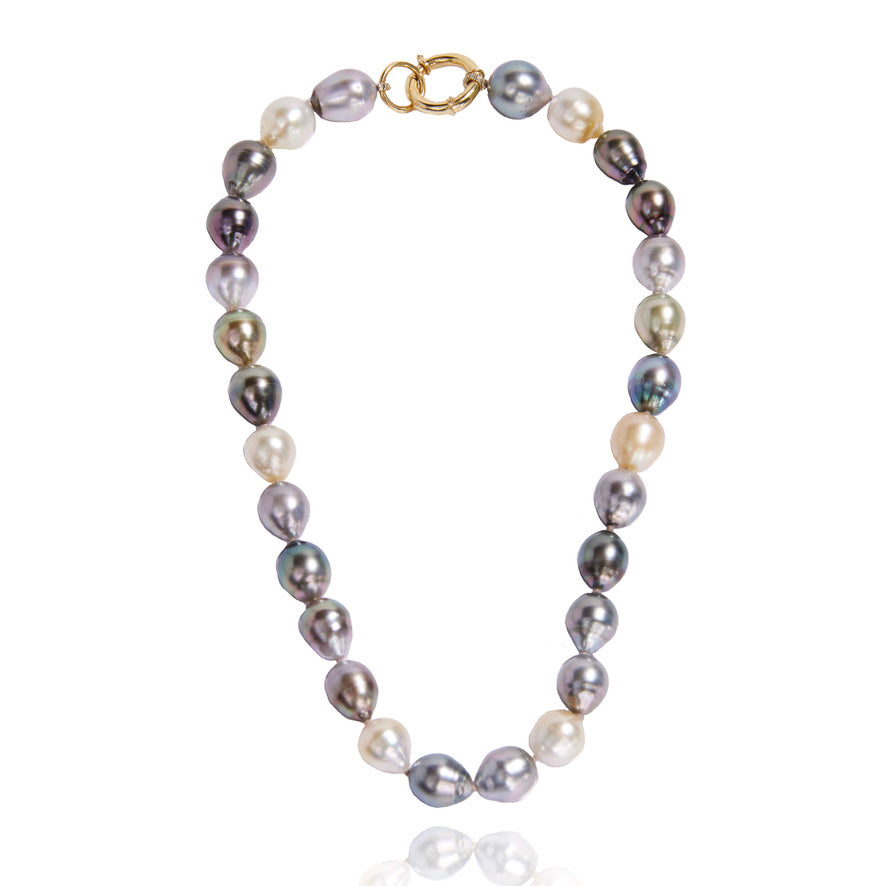
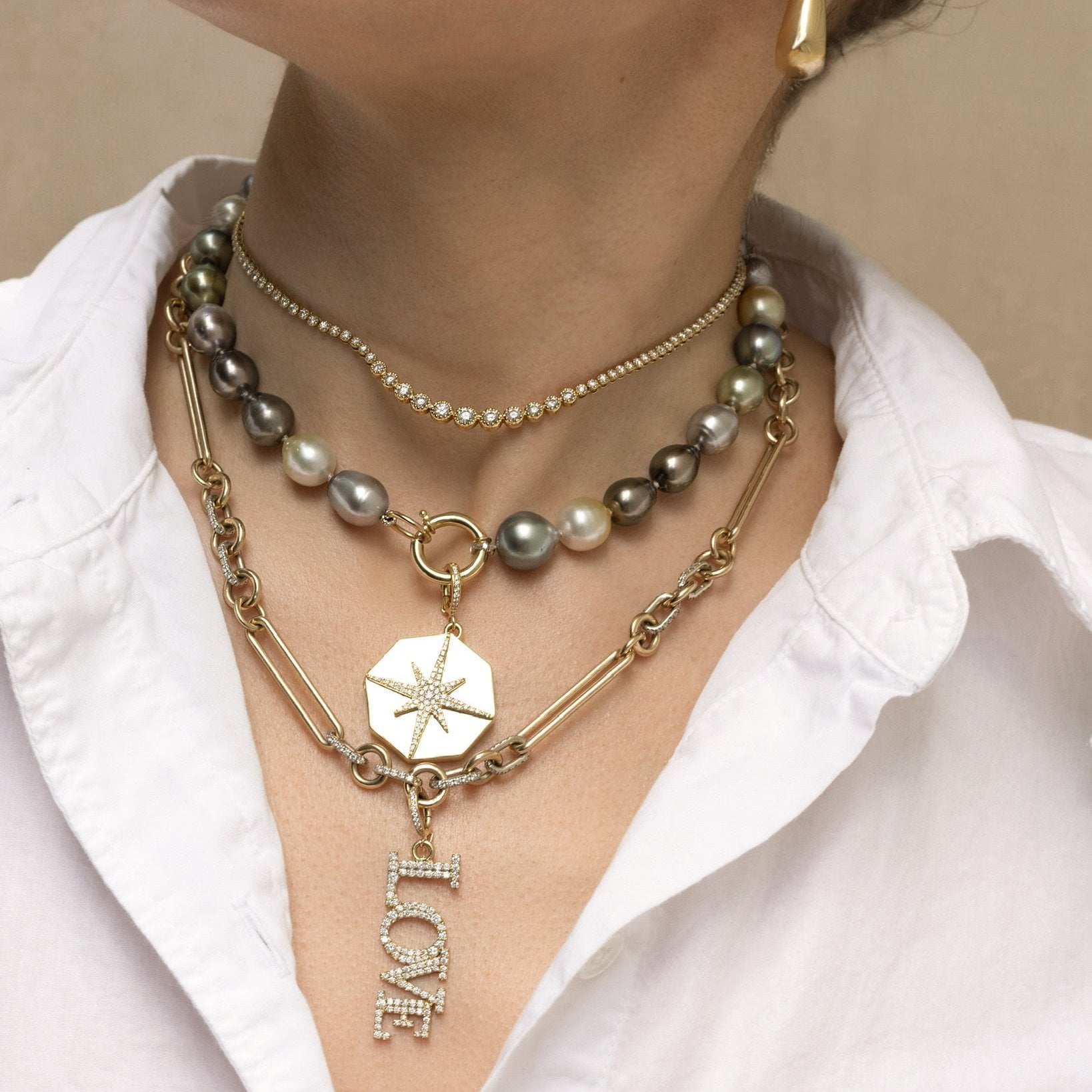
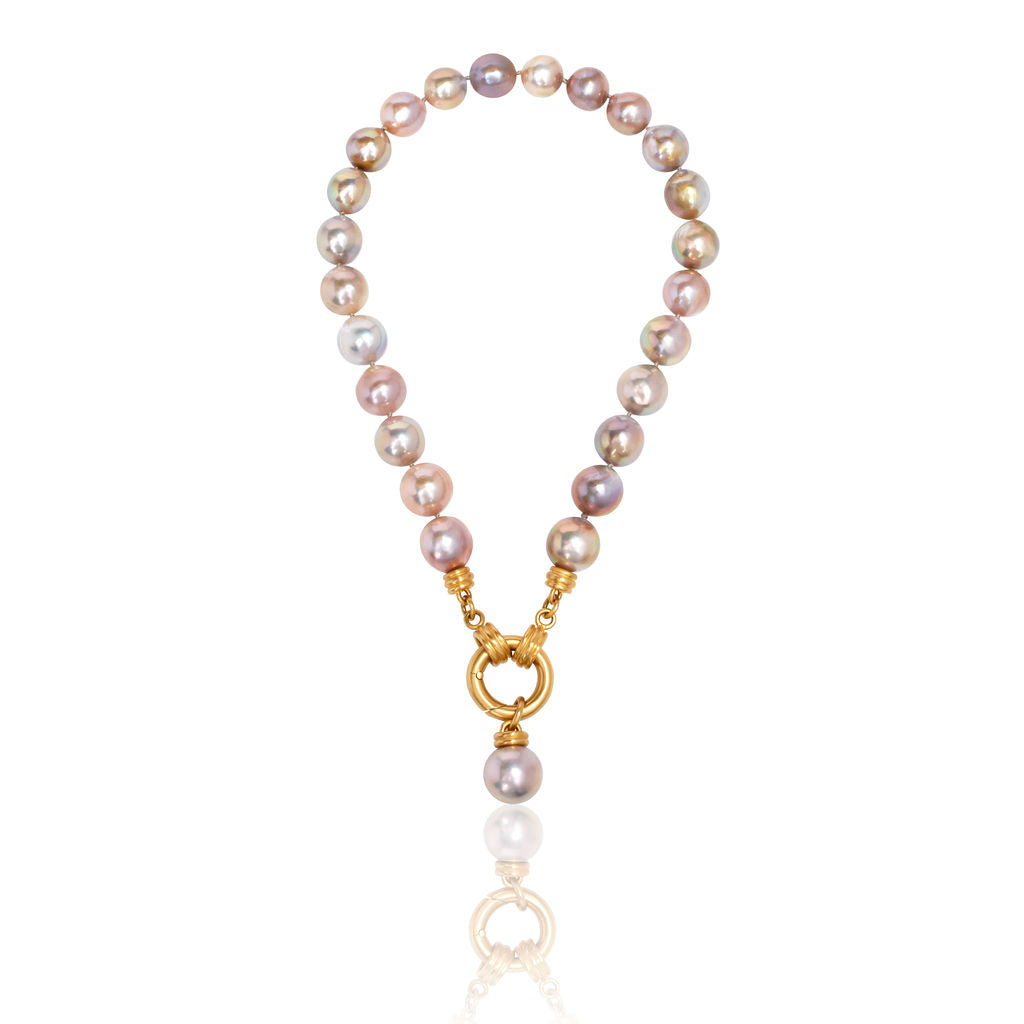
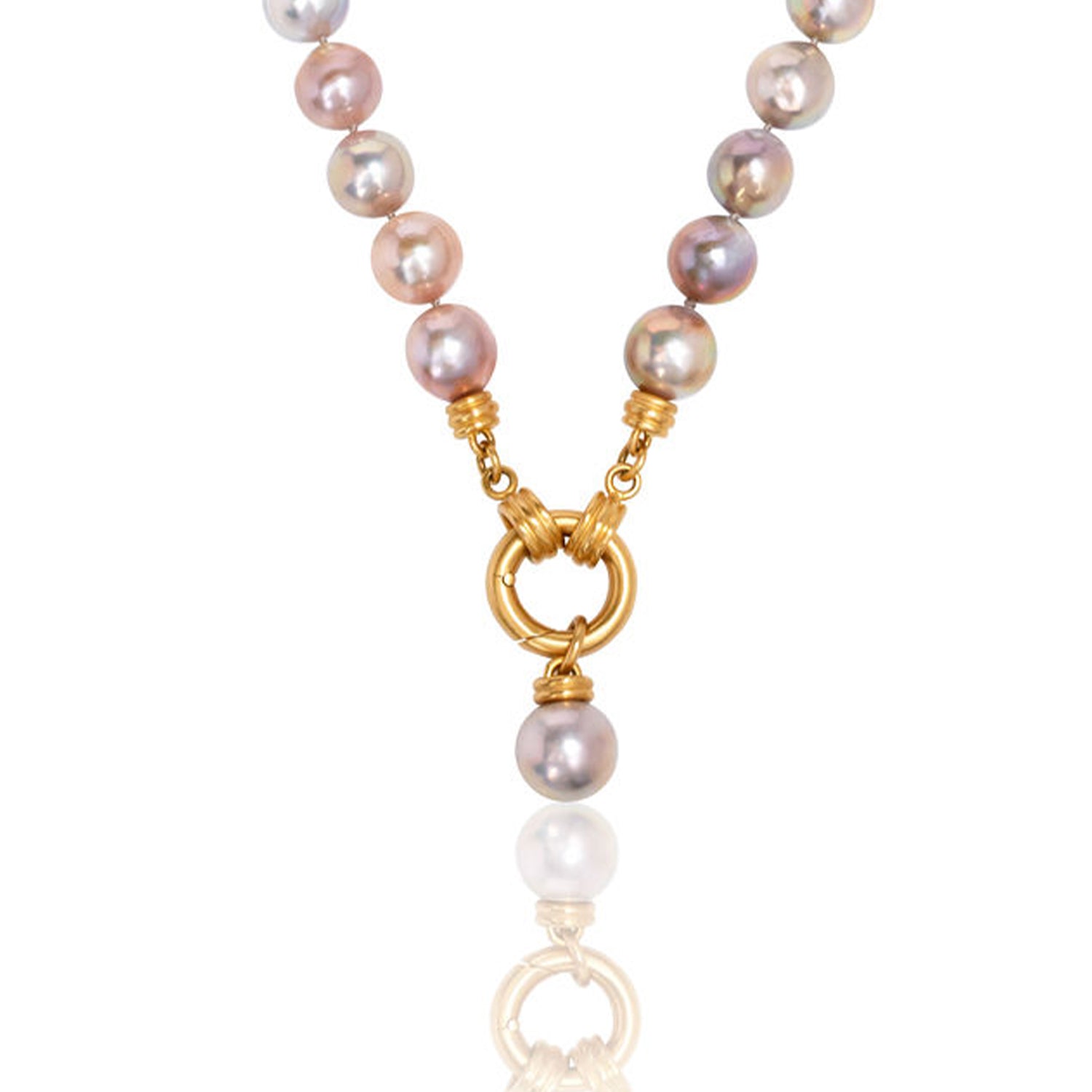
Akoya pearls, grown mainly off Japan, are the most classically round and carry the sharpest lustre of the four. Tahitian pearls, grown in black-lipped oysters in French Polynesia, run naturally from grey through green to near-black. South Sea pearls are the largest of the four and range from white to gold. Freshwater pearls, grown in mussels rather than oysters, allow the most colour and shape variation, including the baroque pieces here. For gold purity, see necklaces. For pearl earrings by shape rather than material, see earrings and hoops.

Filter
4 Columns List
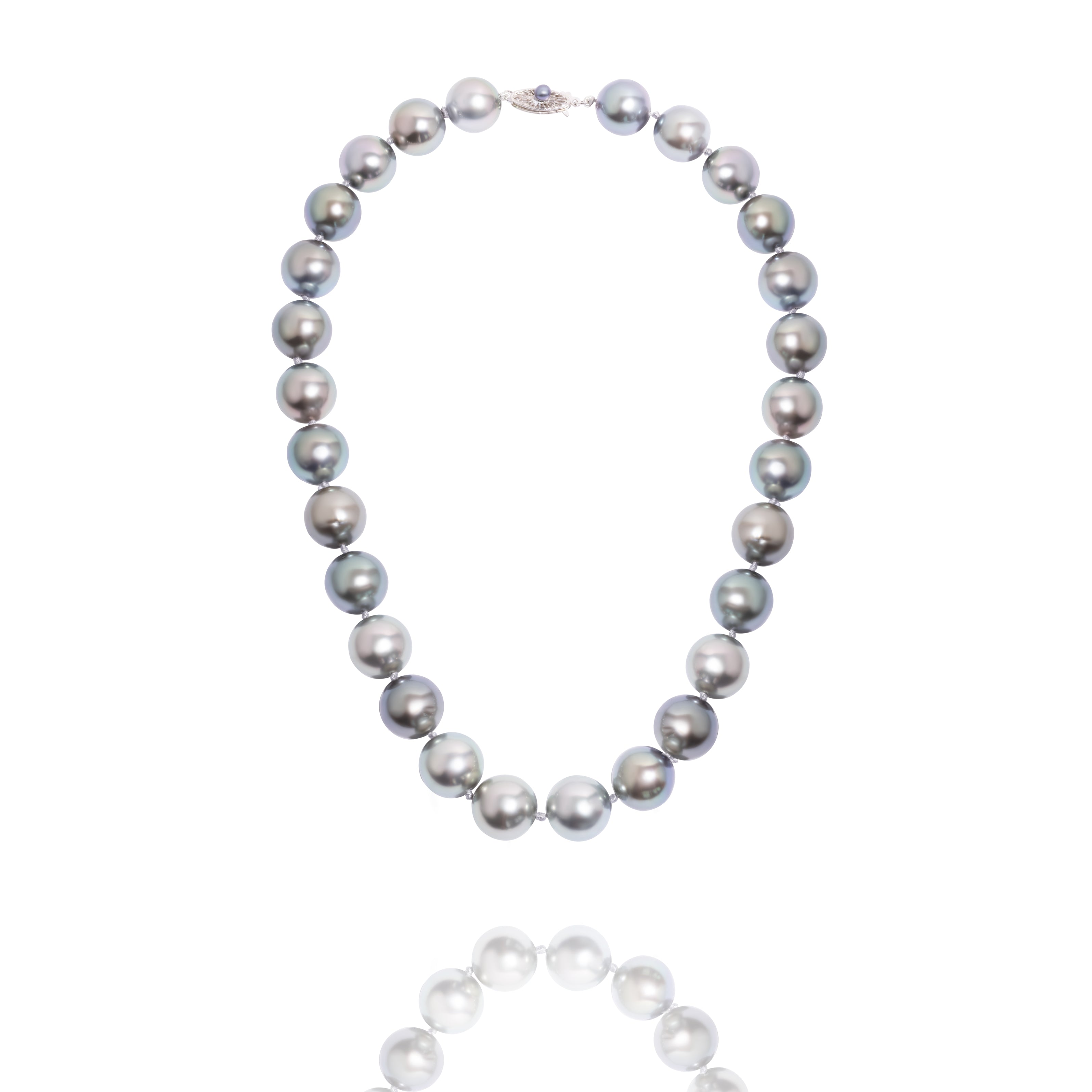
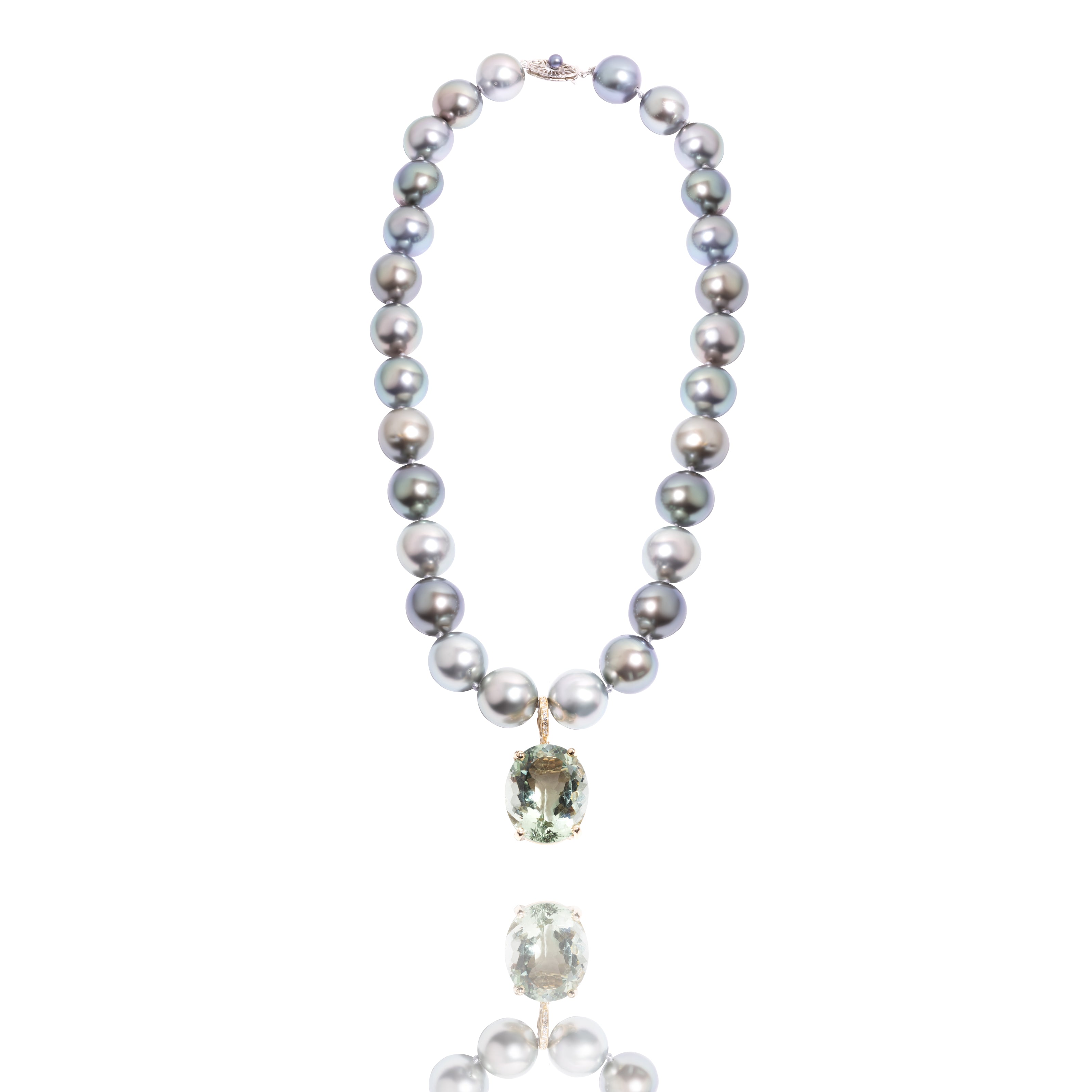
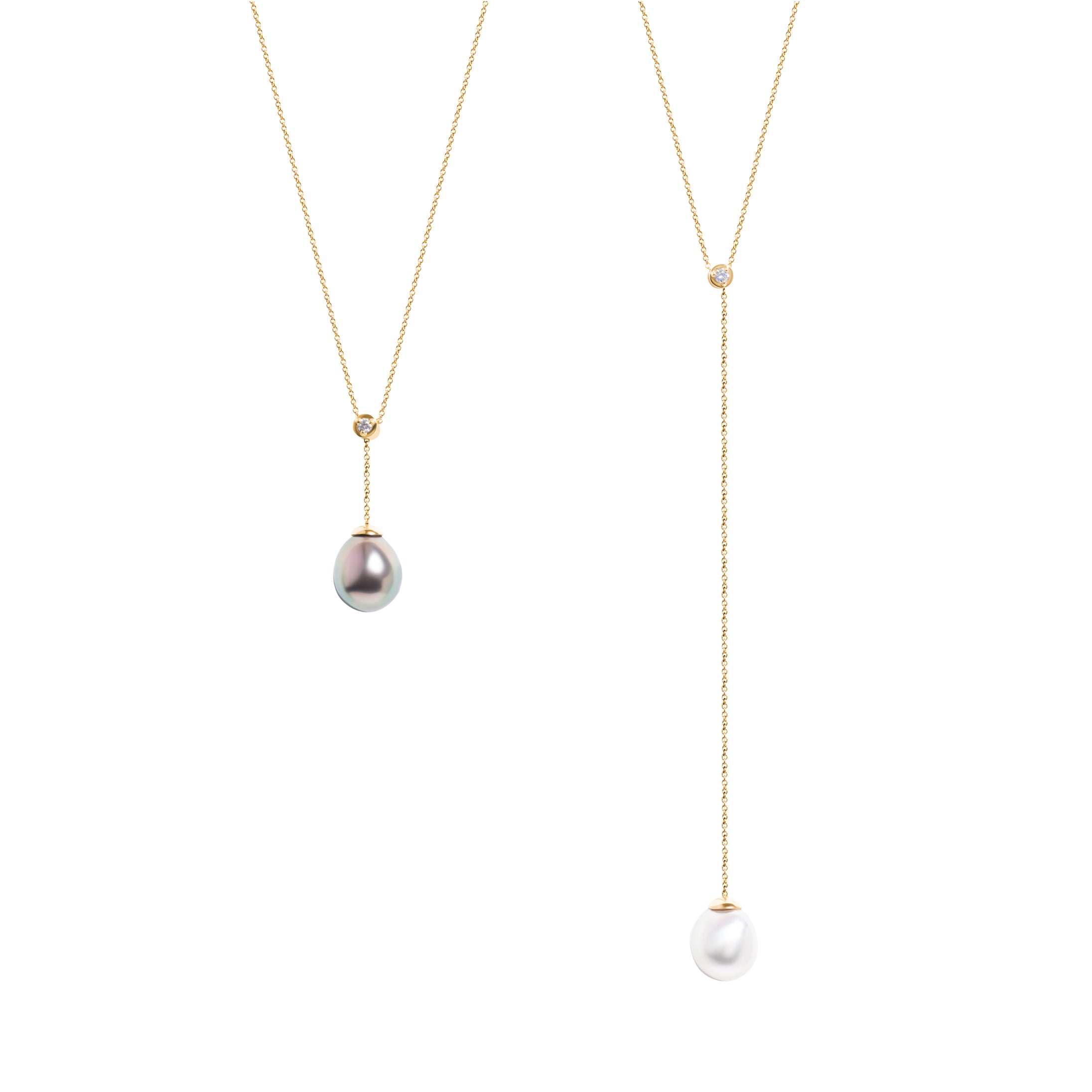
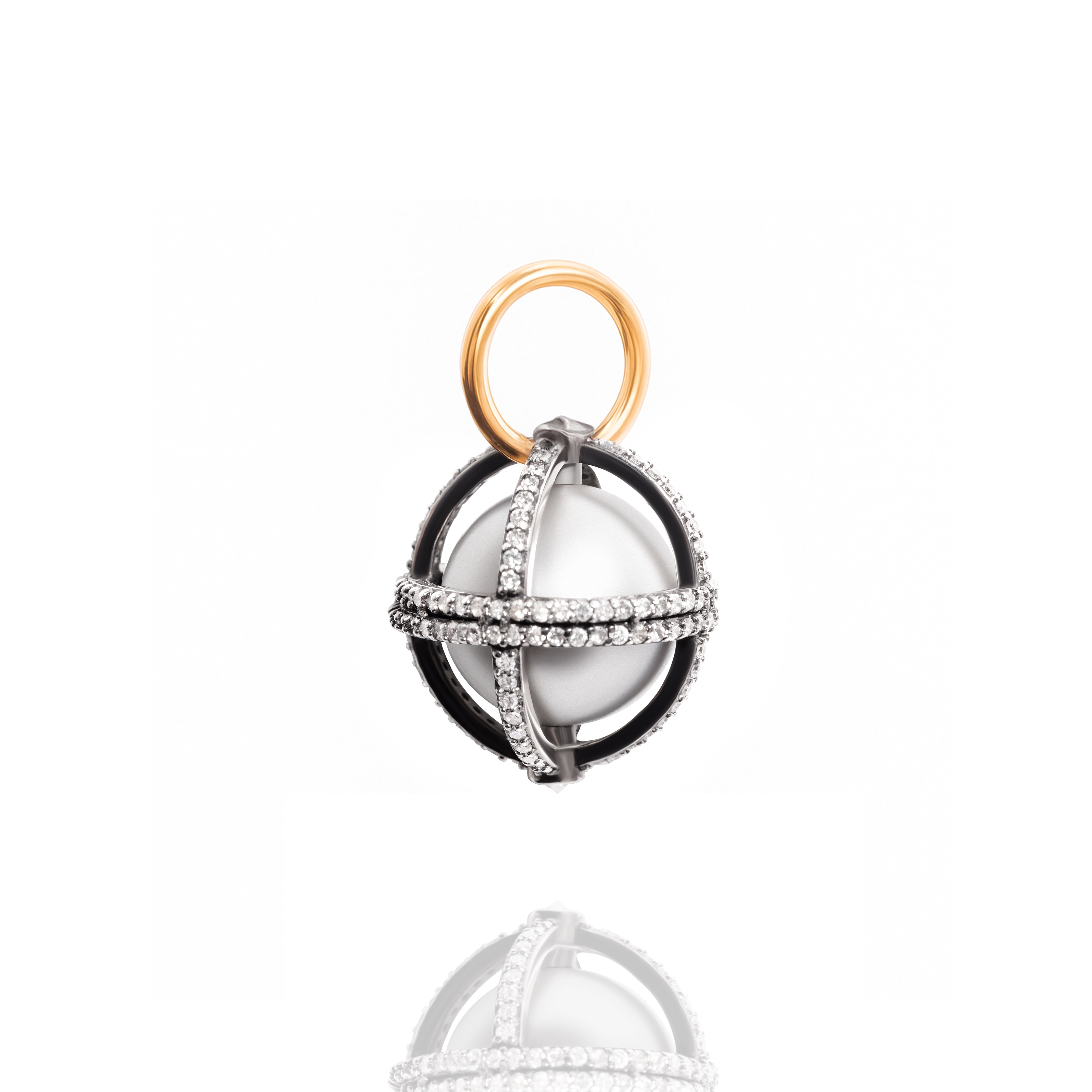
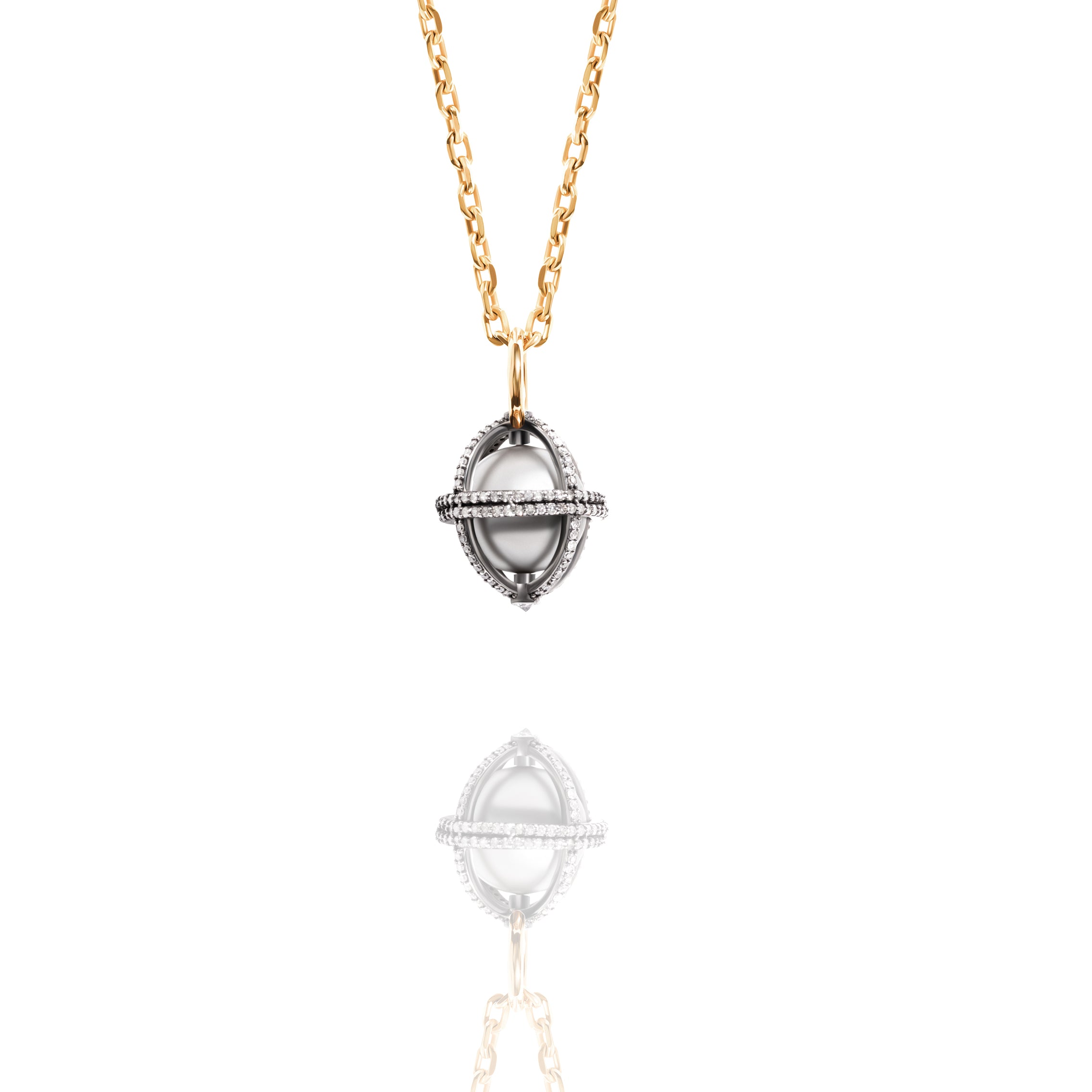
Diamond Orb Tahitian Pearl Pendant
Regular price $4,300.00
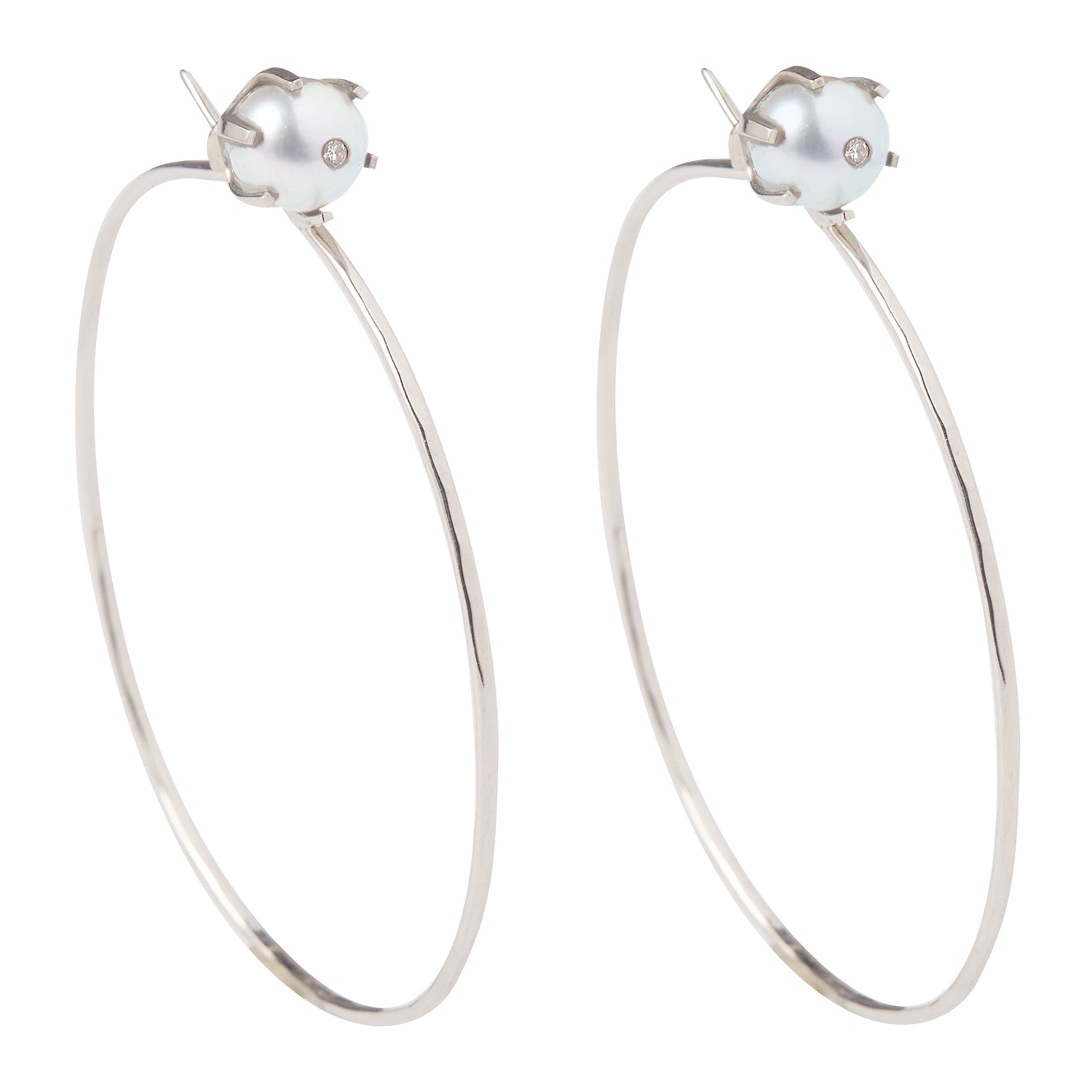
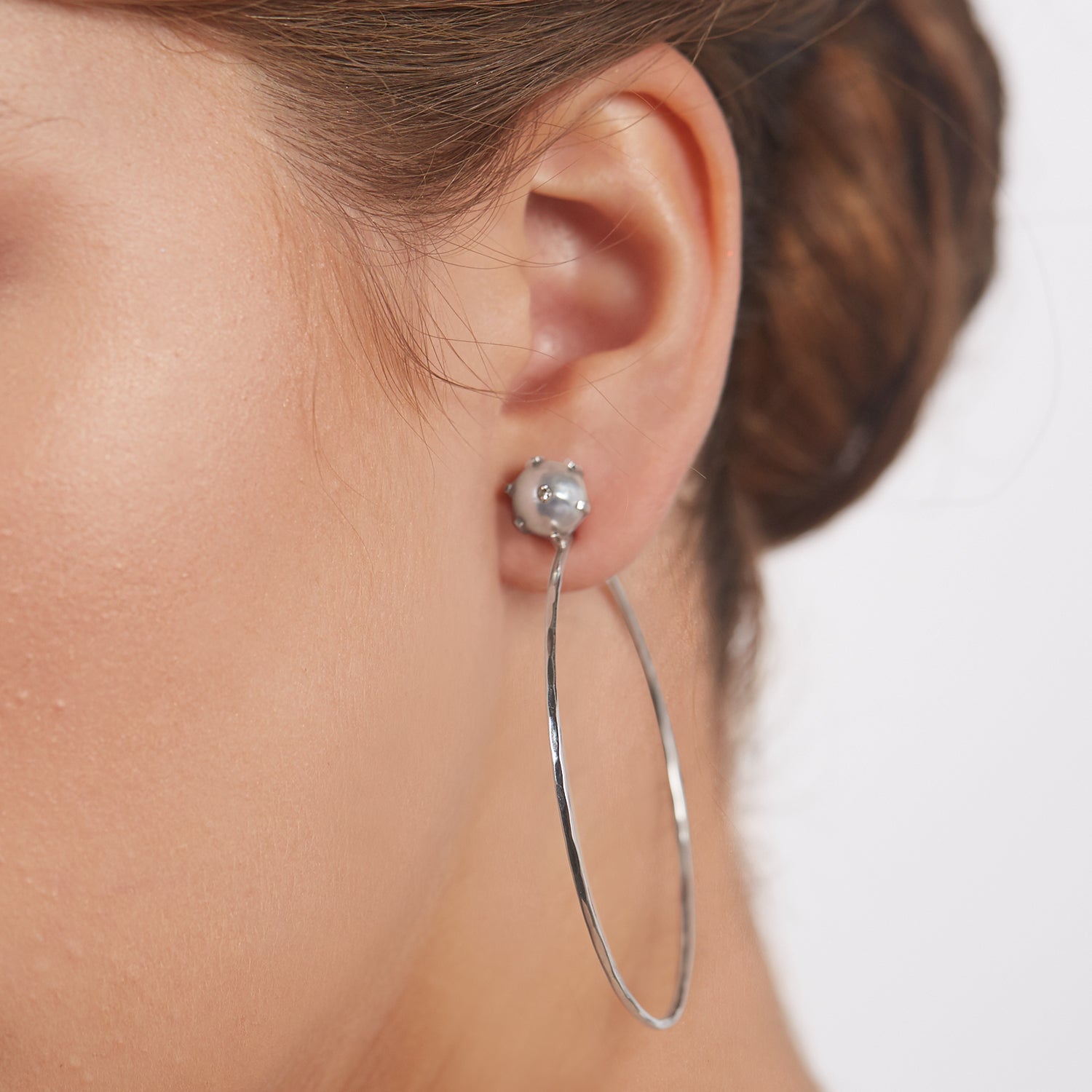
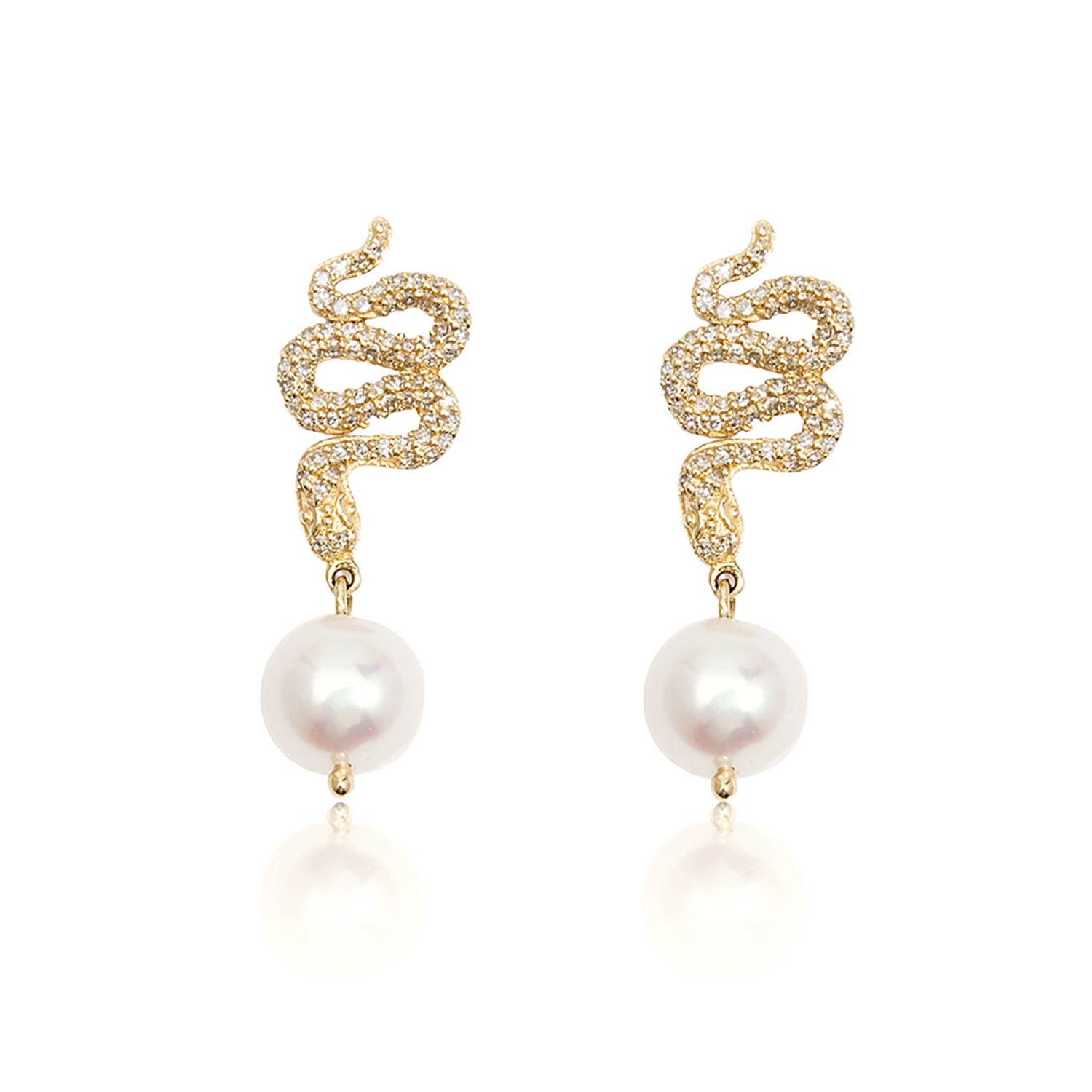
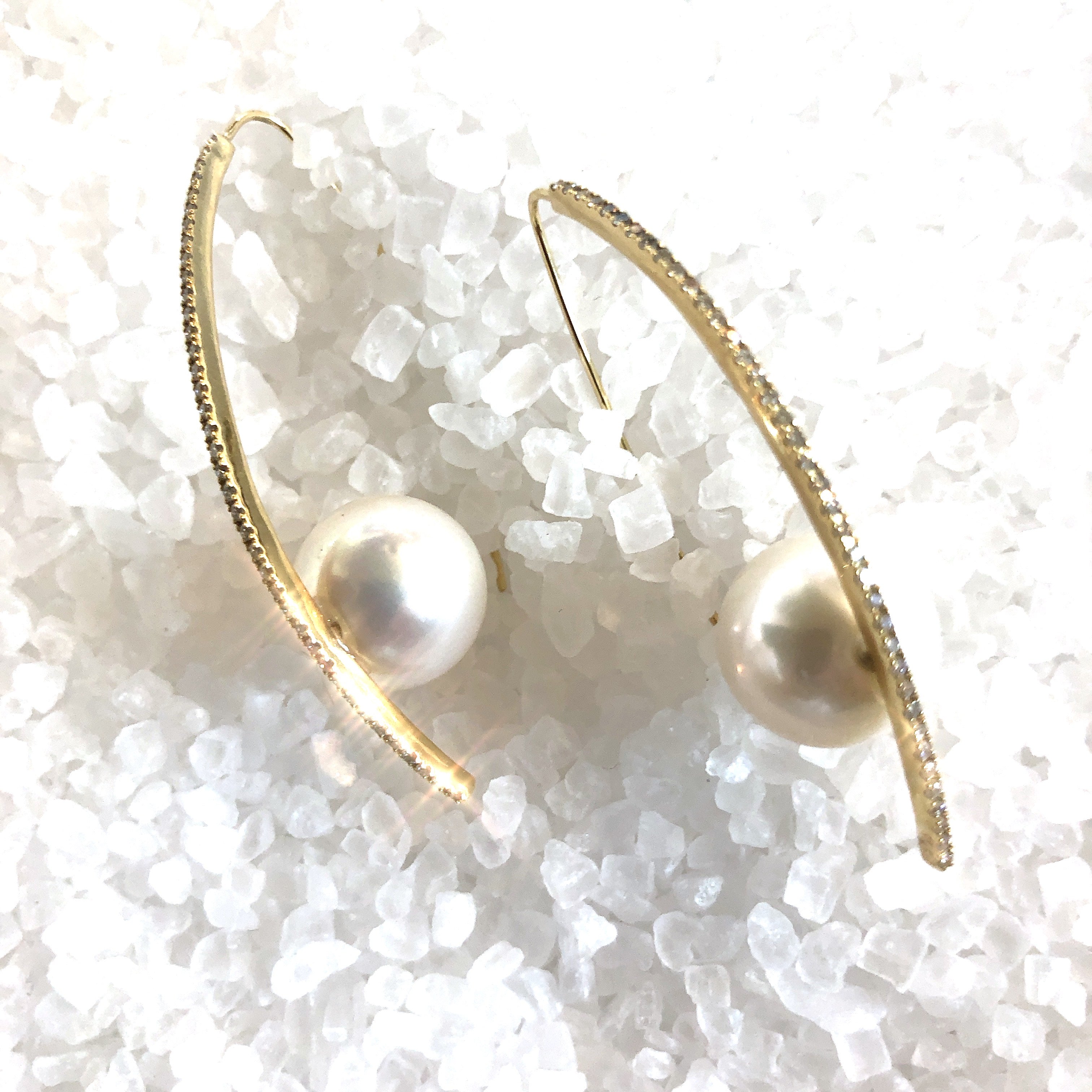
18k White Gold Pearl Stud Hopearlops
Regular price $2,150.00
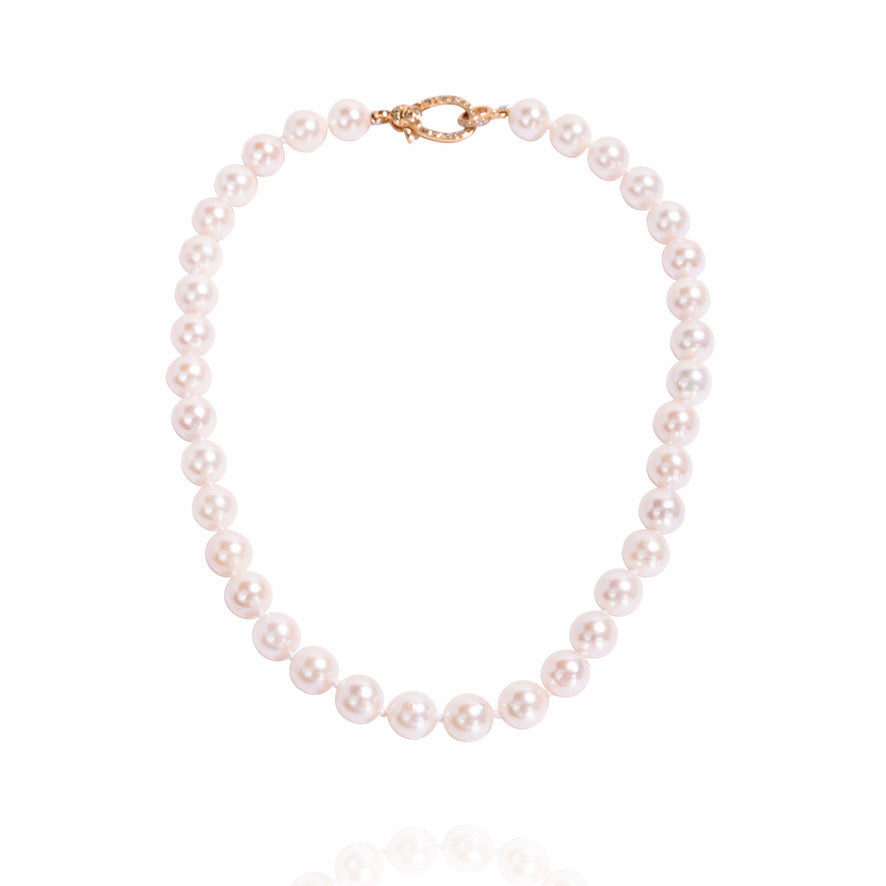
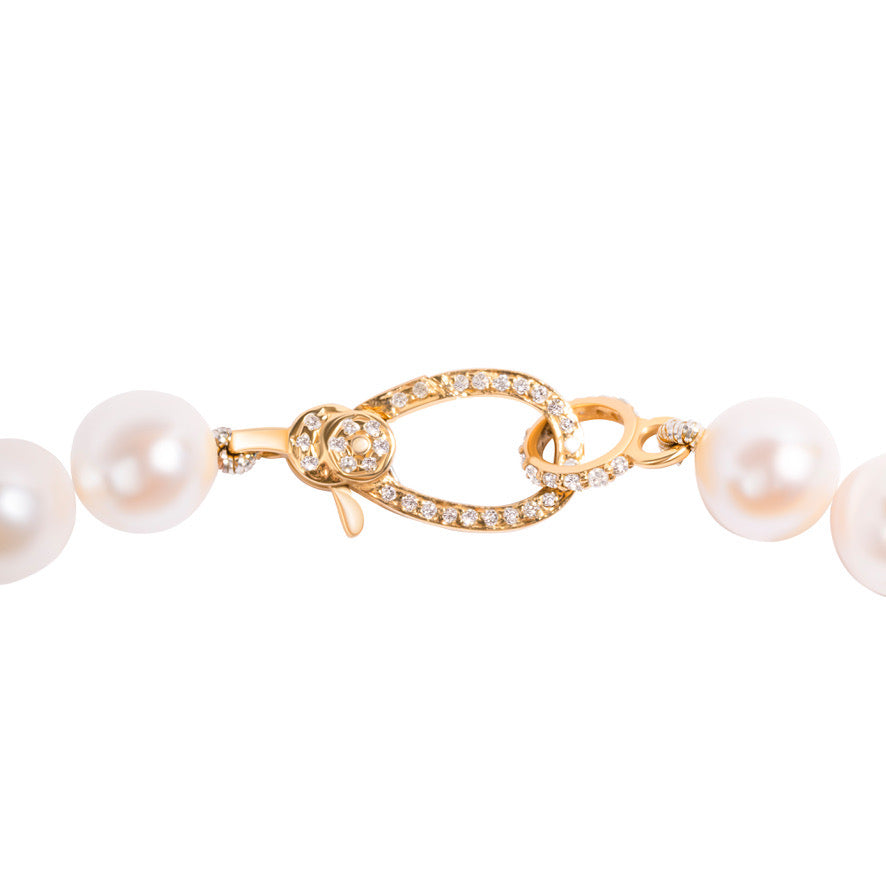
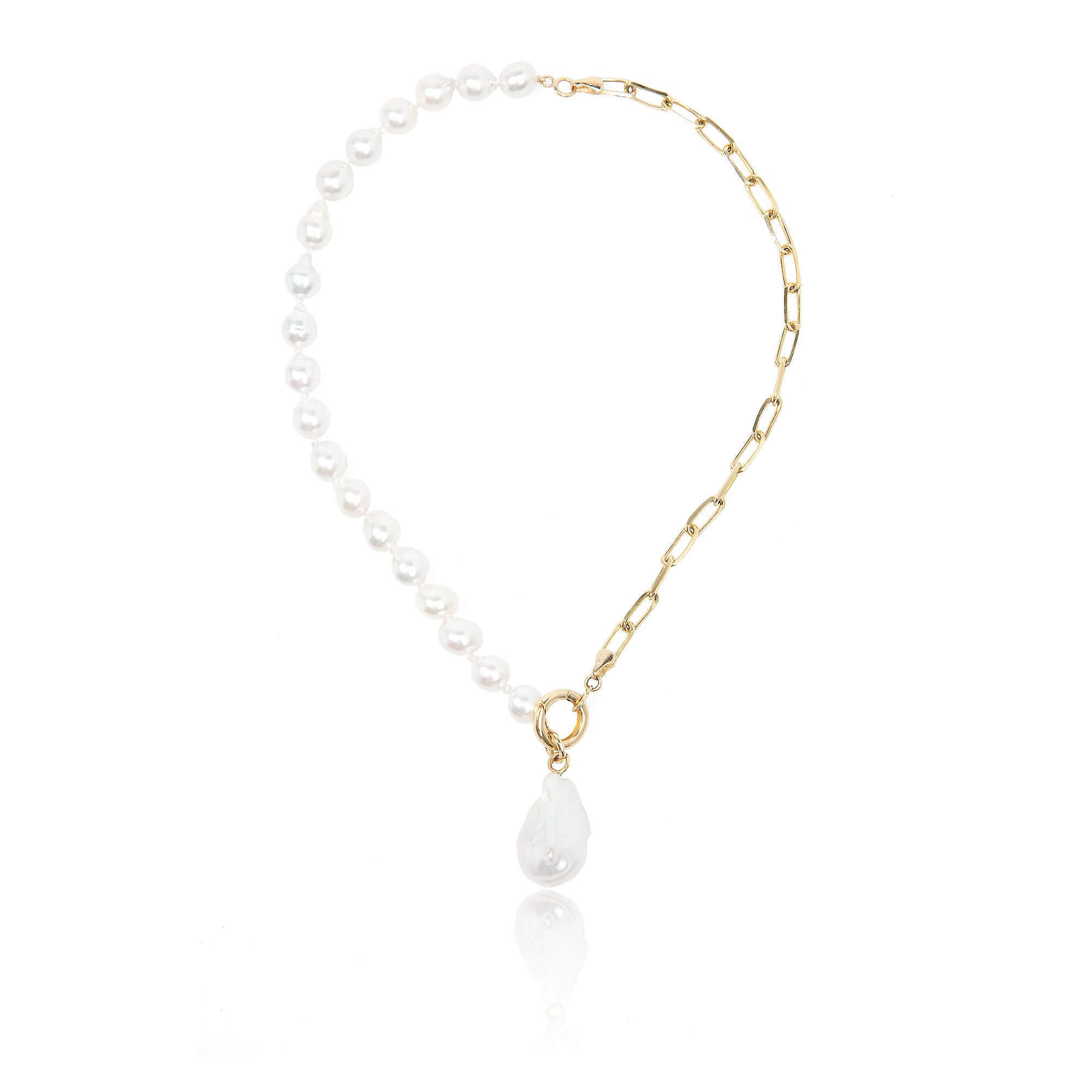
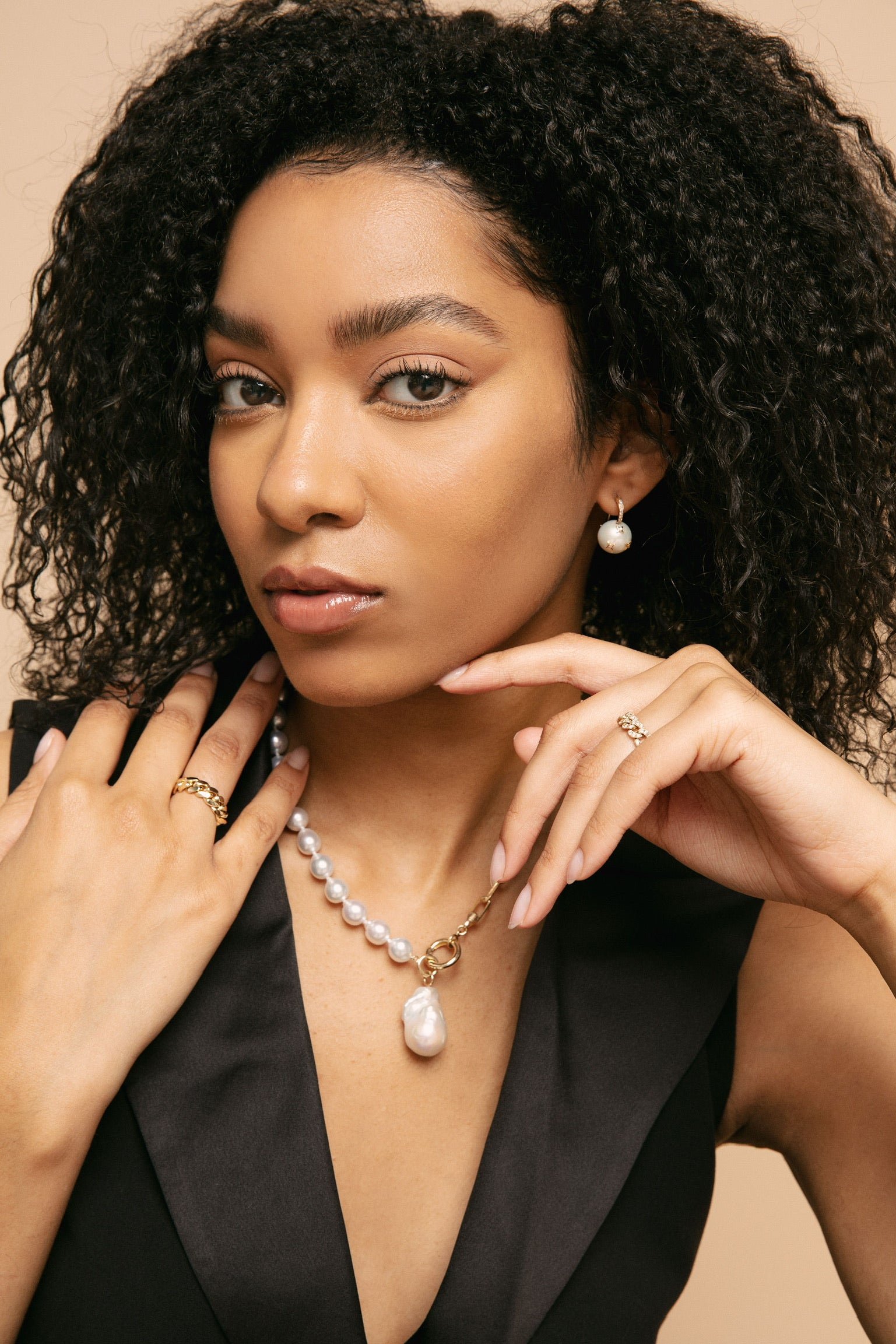
White Akoya Pearl Choker
Regular price $3,700.00
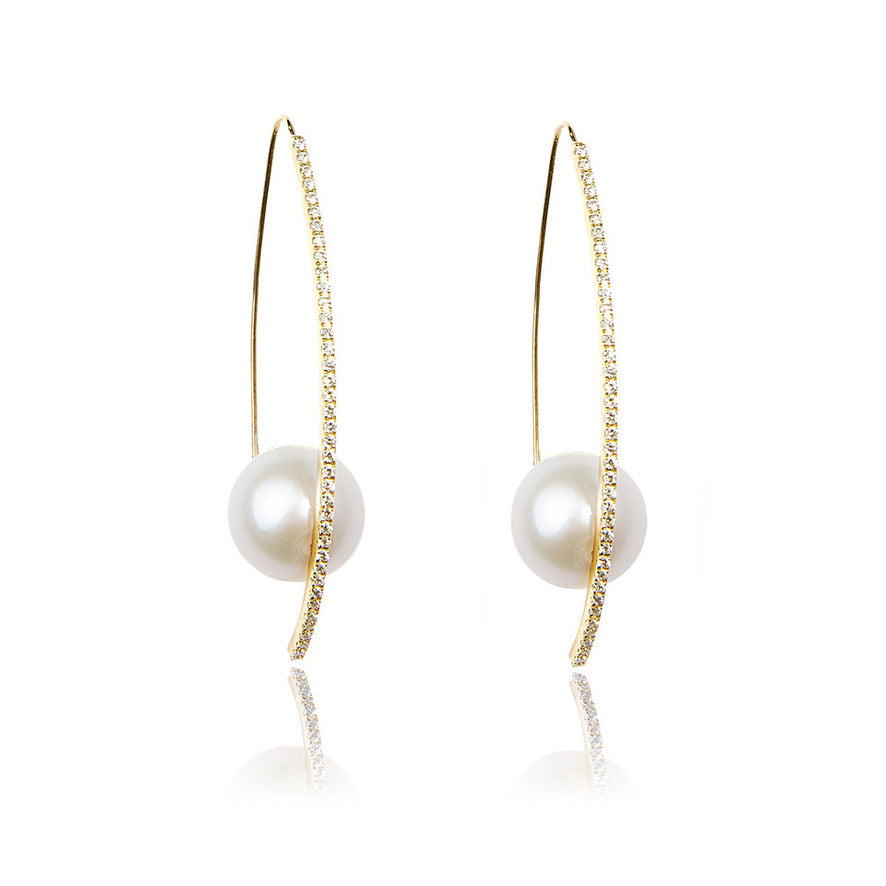
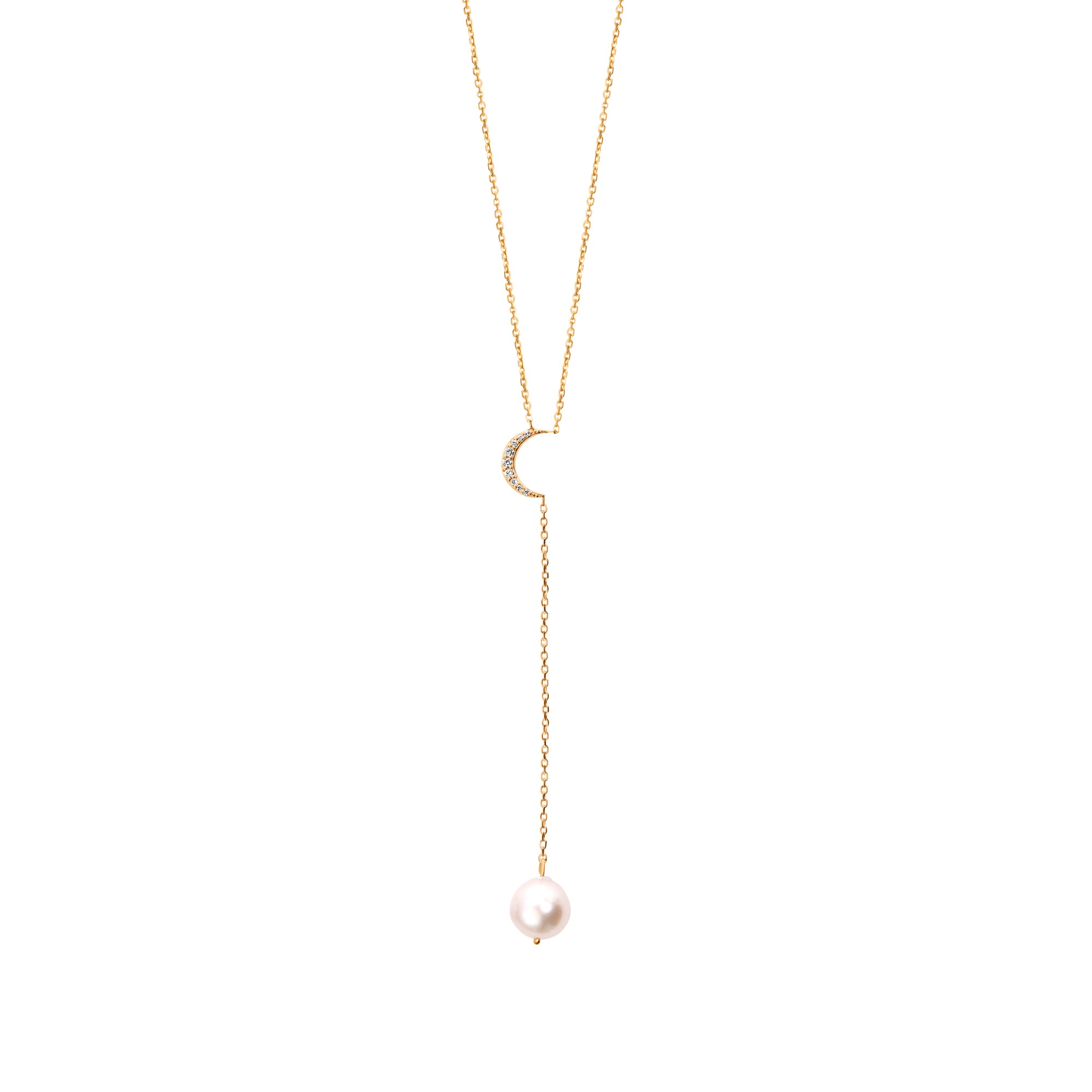
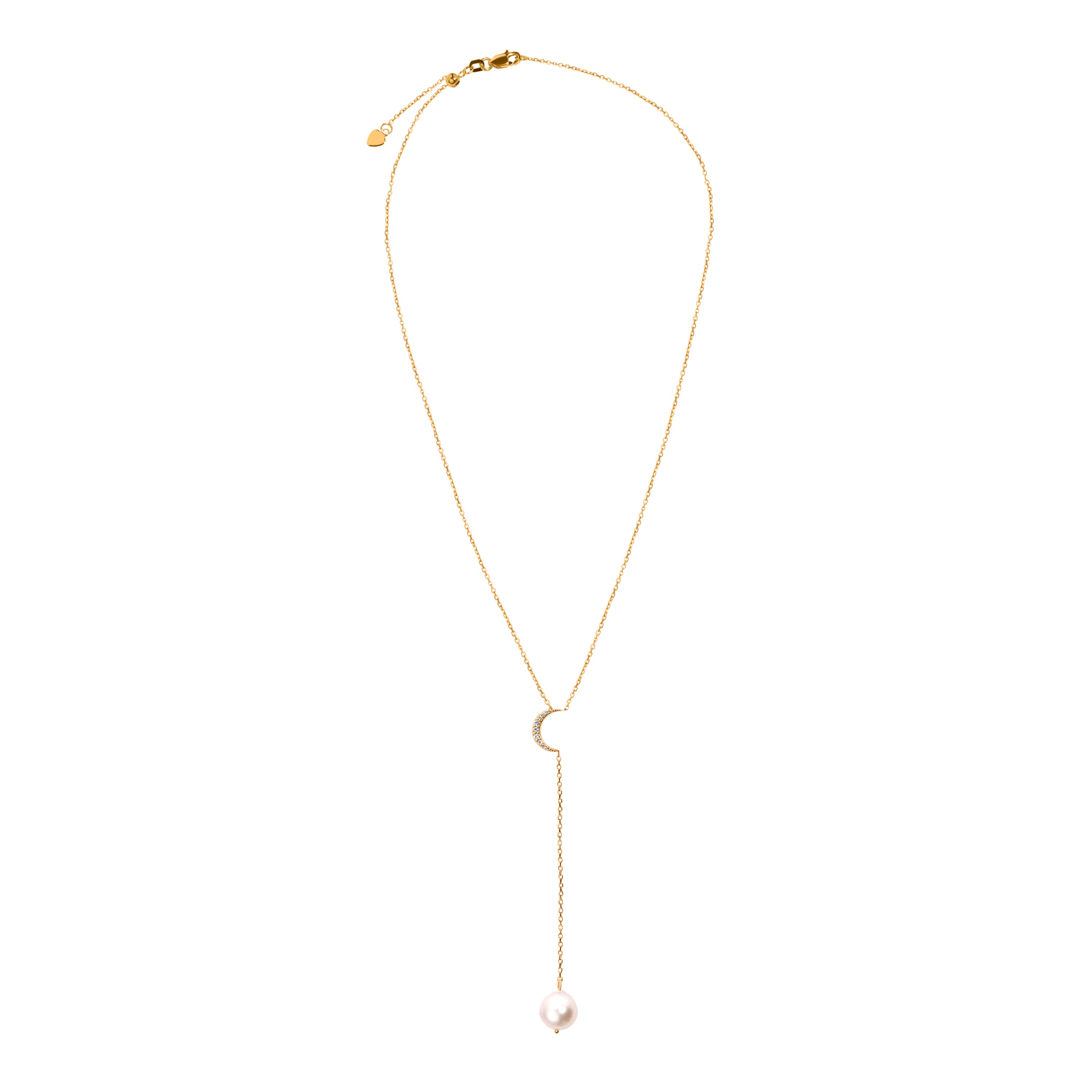
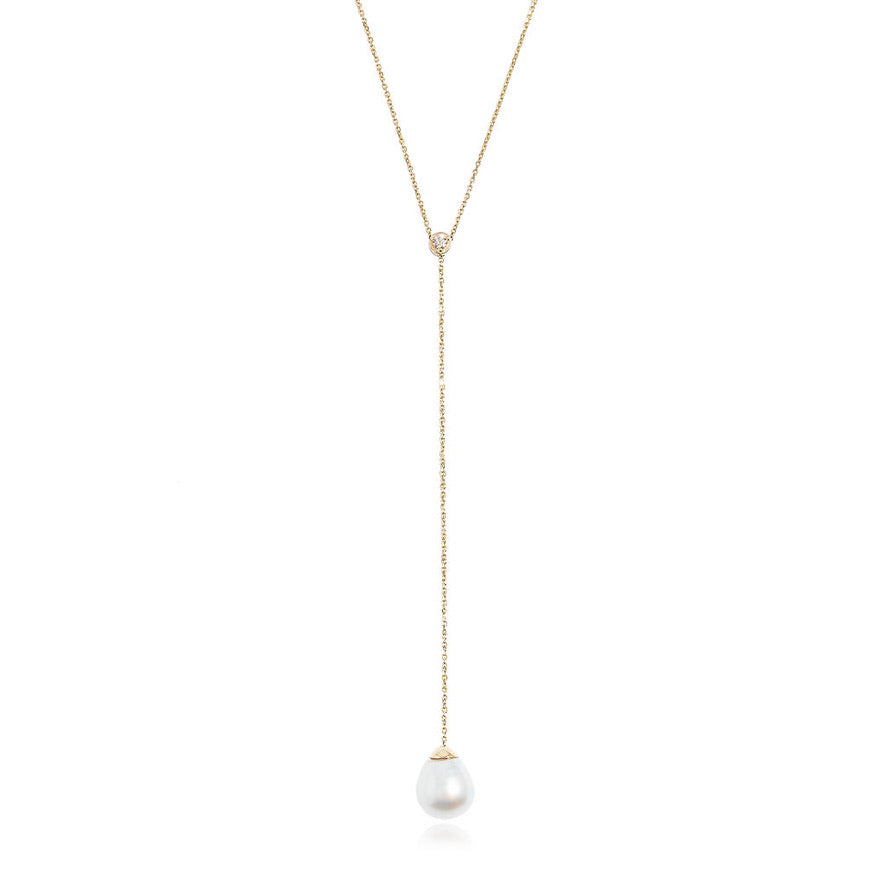
Everything Diamond Pearl Lariat
Regular price $4,300.00
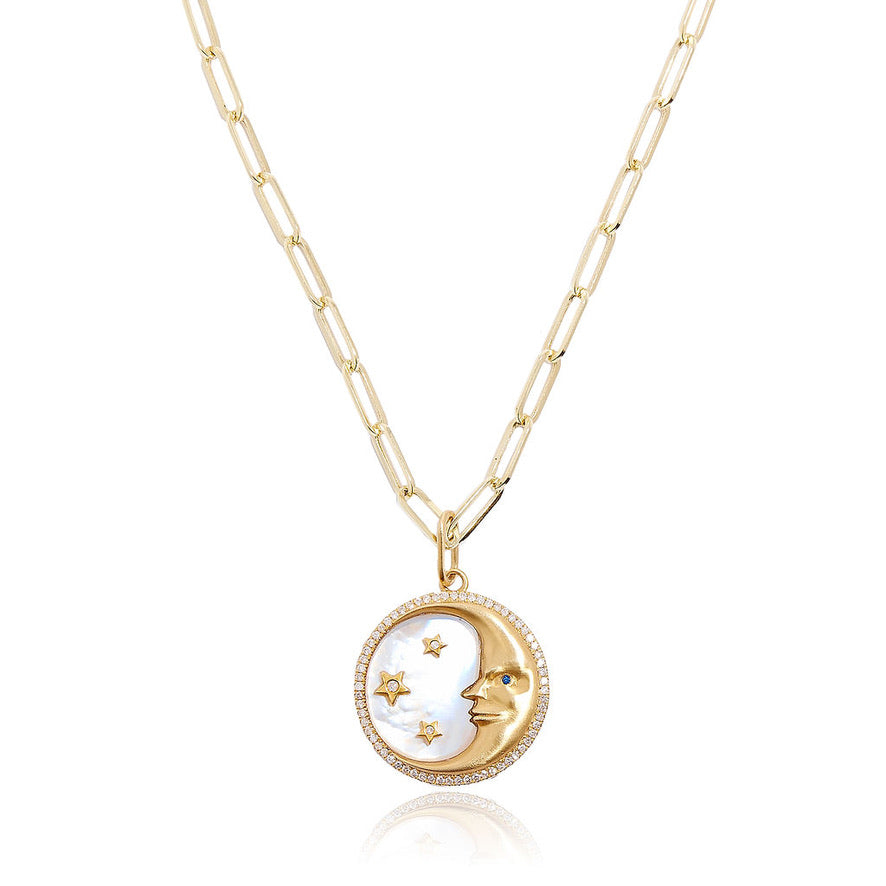
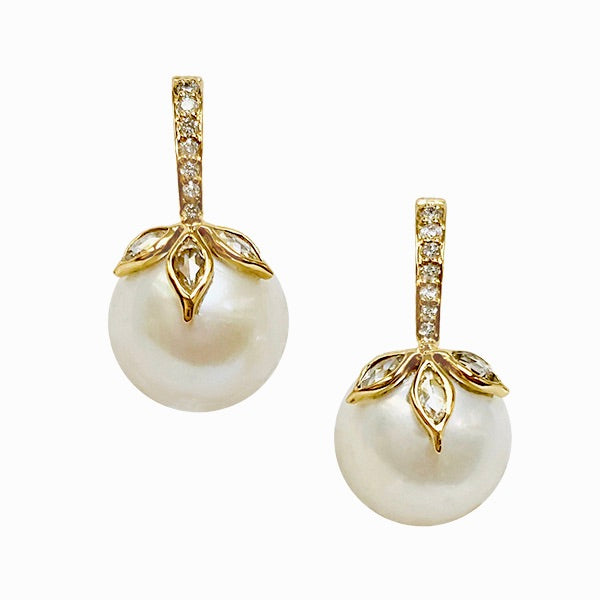
18k YG Pearl Leaf Earrings
Regular price $4,900.00
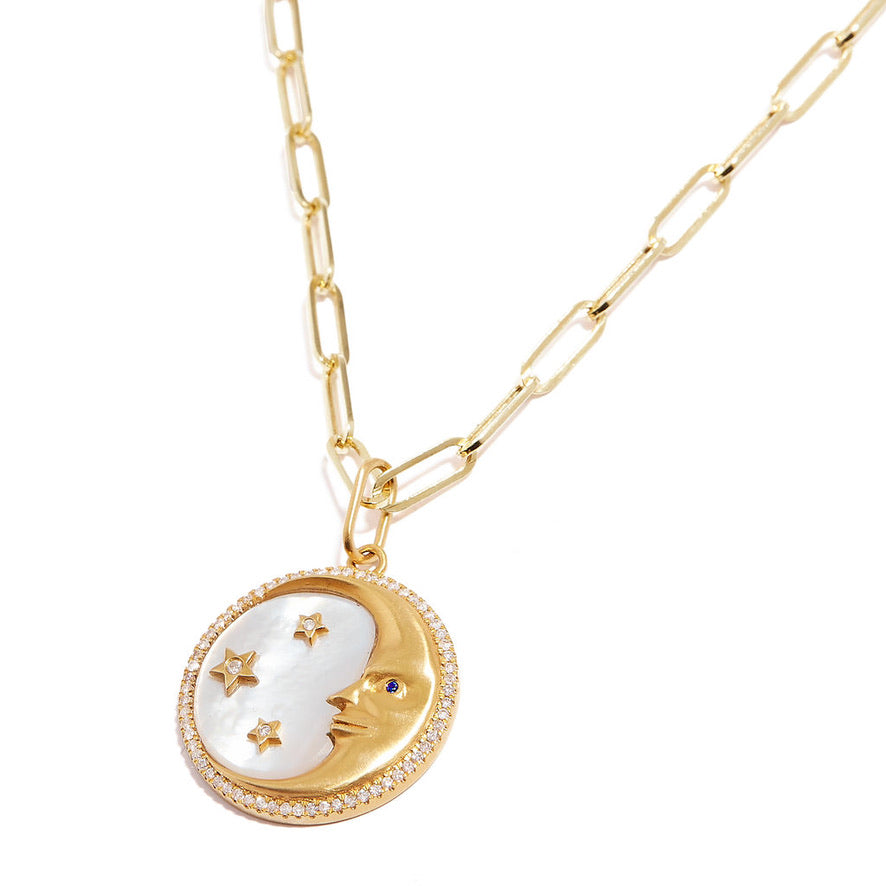
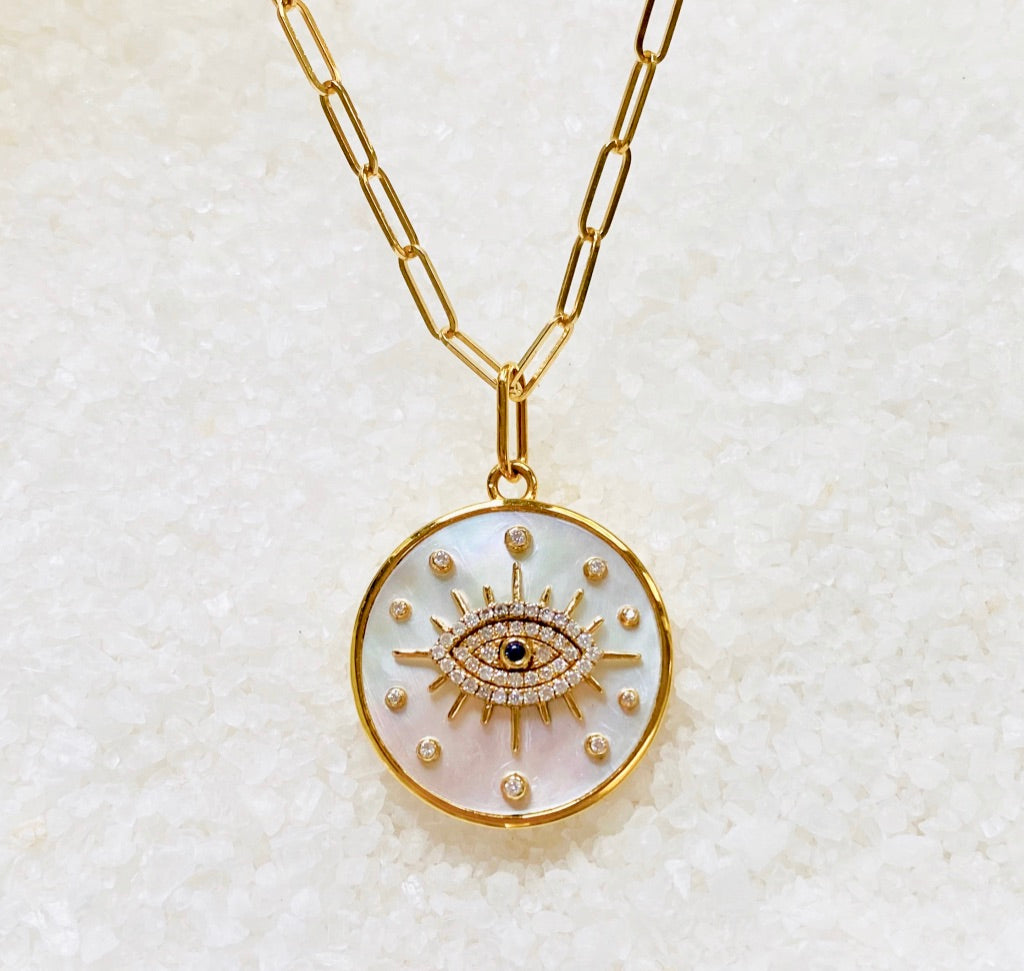
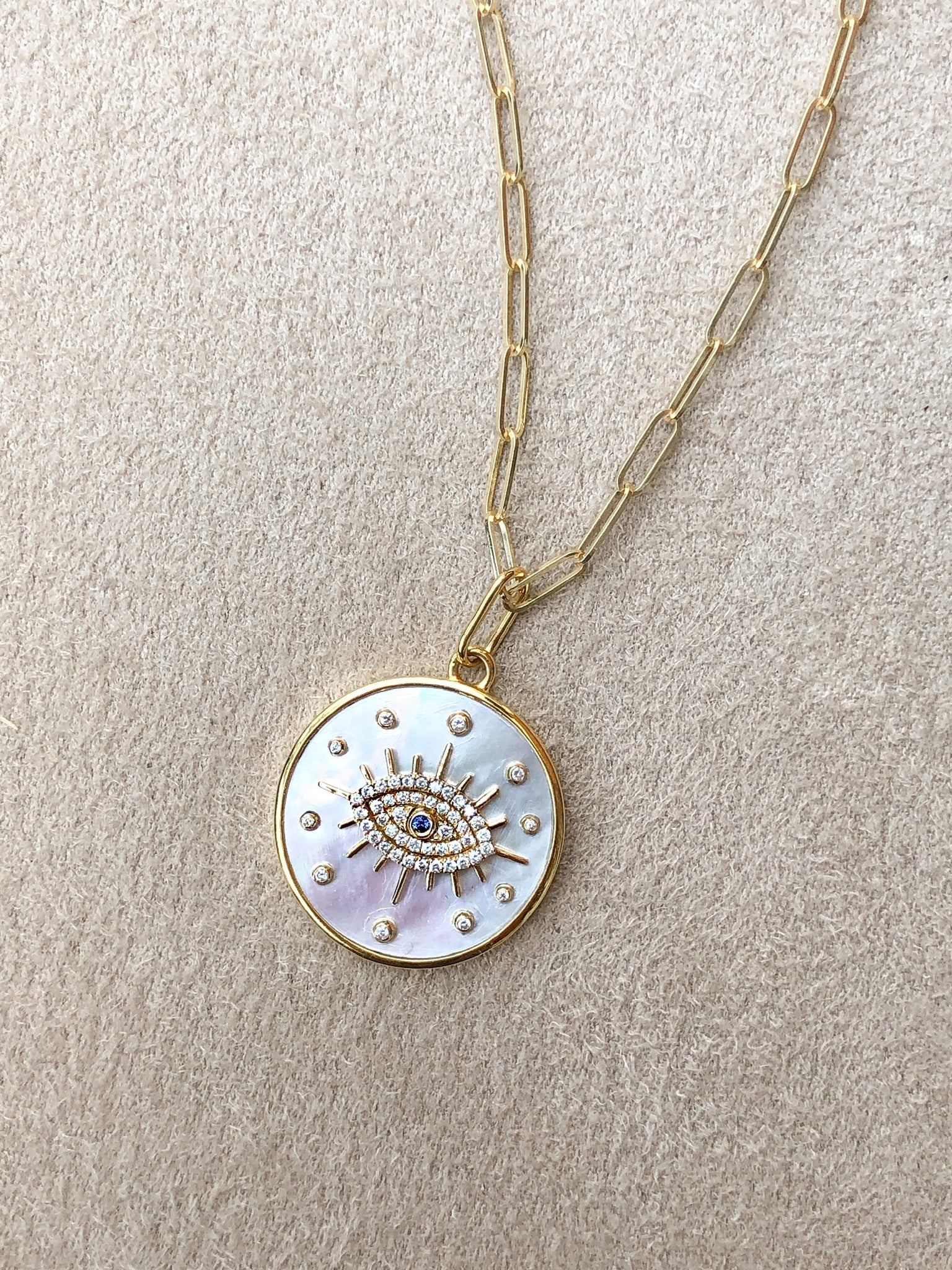
Mother of Pearl Evil Eye
Regular price $4,150.00
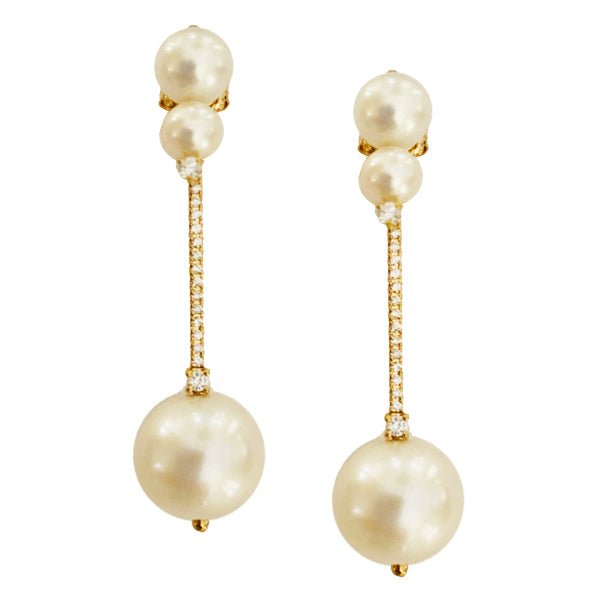
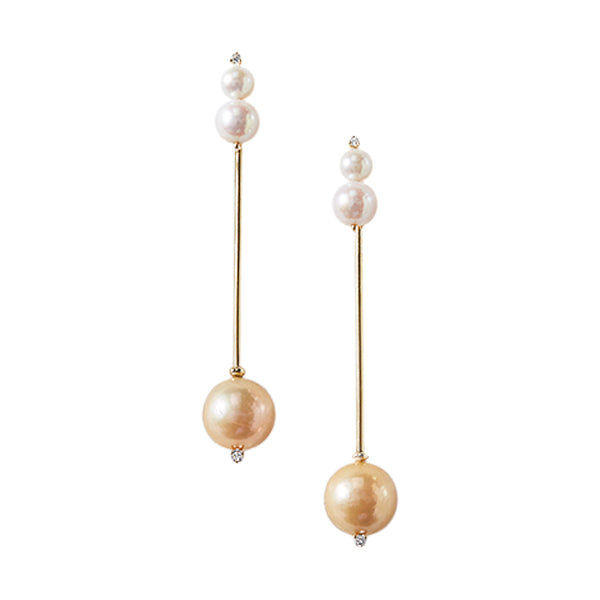
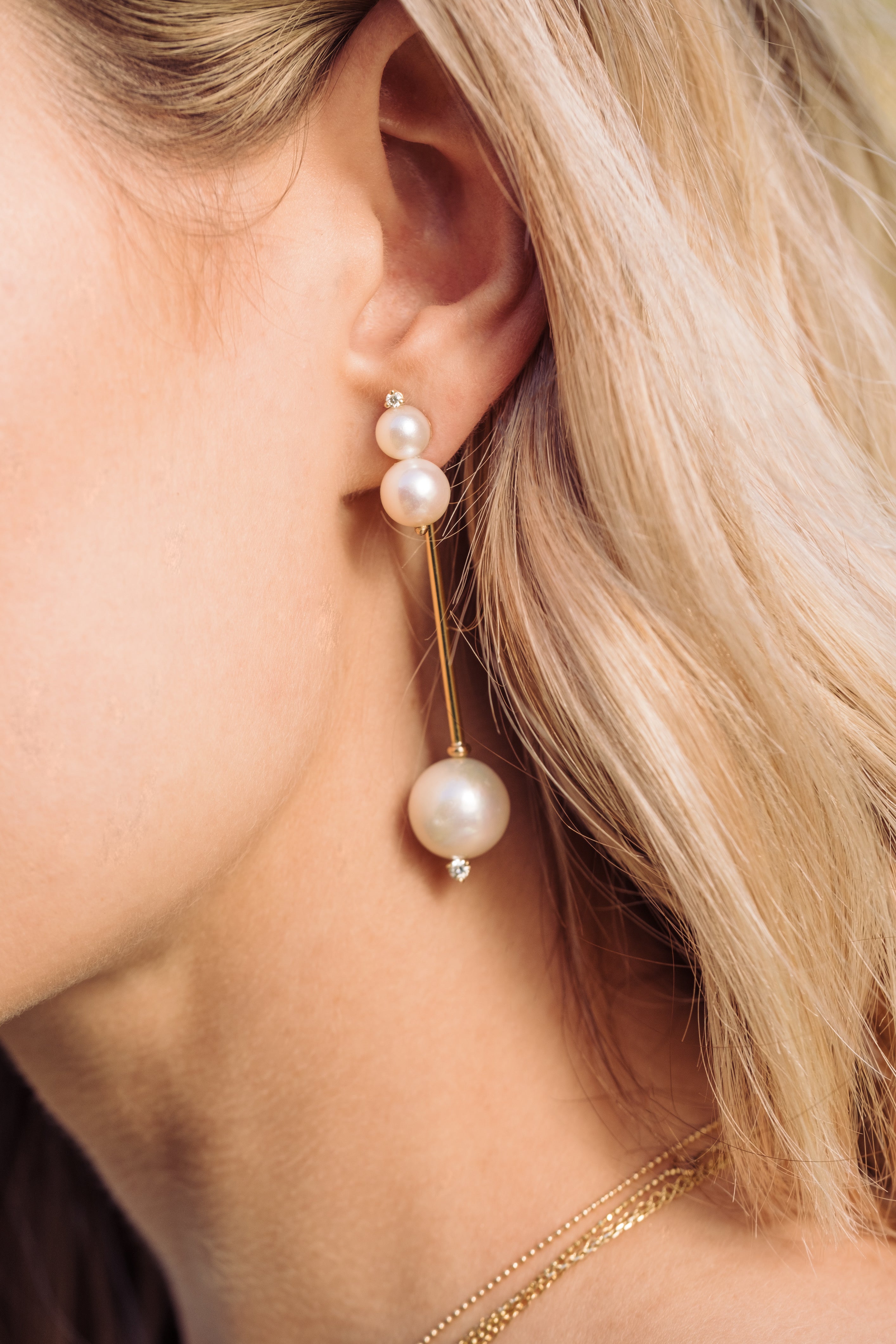
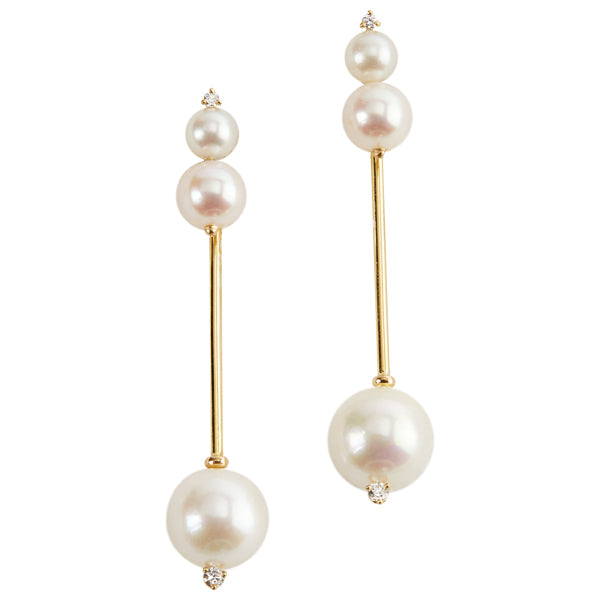
Triple Pearl Diamond pave Matchsticks
Regular price $3,600.00
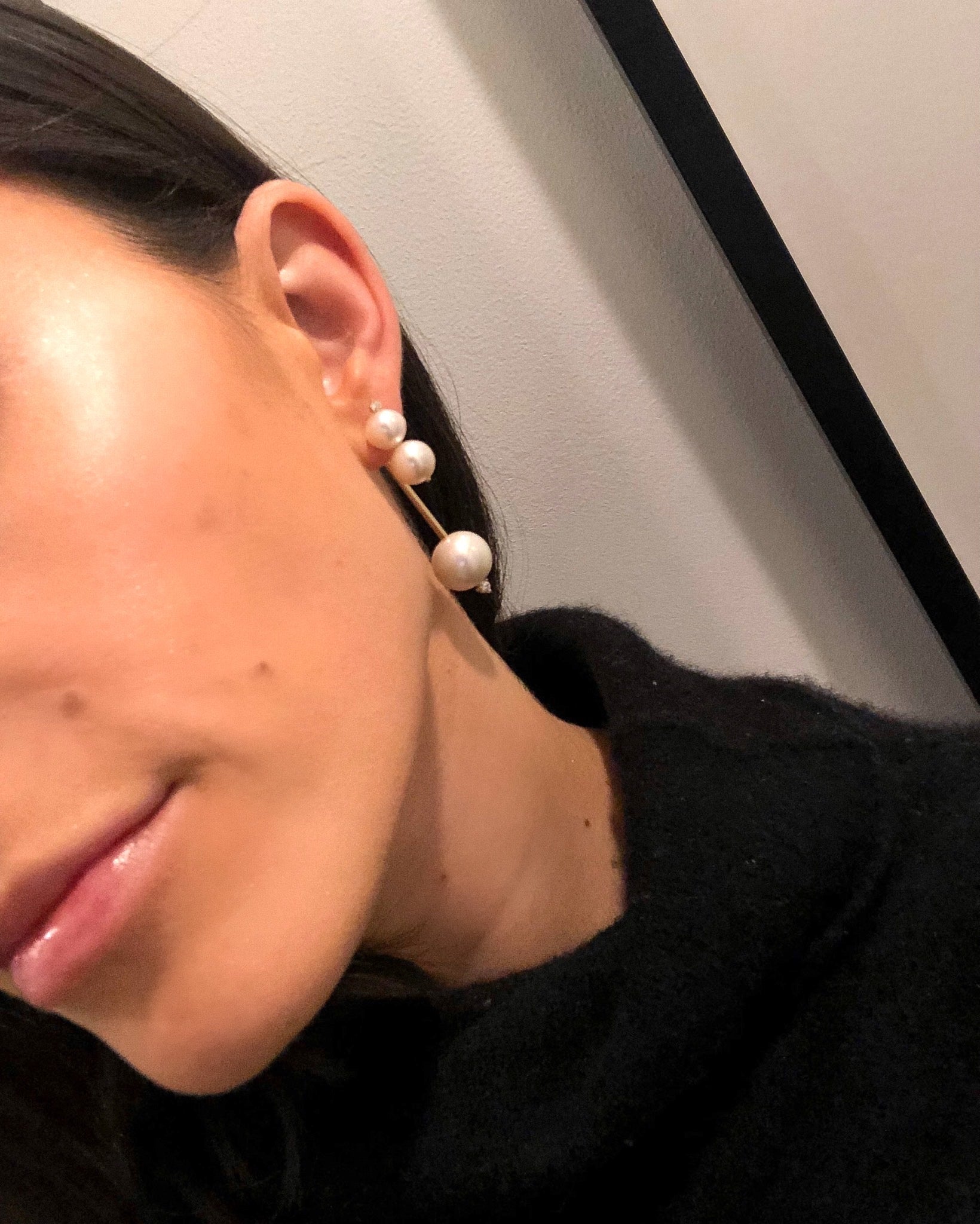
Triple pearl gold hatpin earrings
Regular price $2,450.00
Triple Pearl Gold Hatpin Earring
Regular price $2,250.00
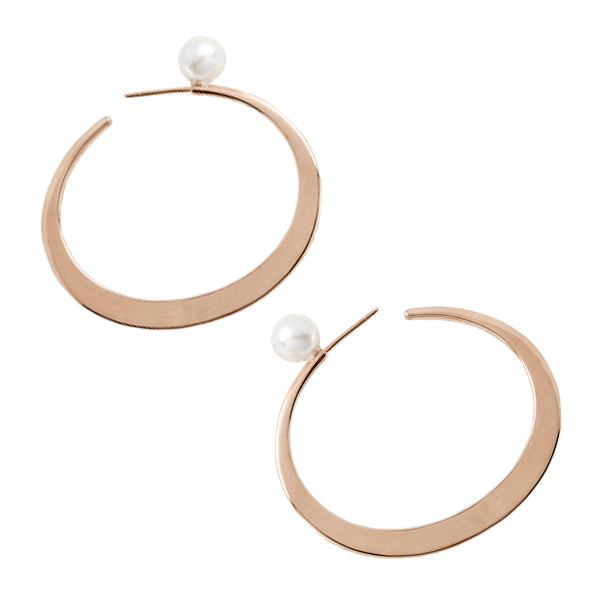
Soleil Elliptical Hoops
Regular price $2,950.00
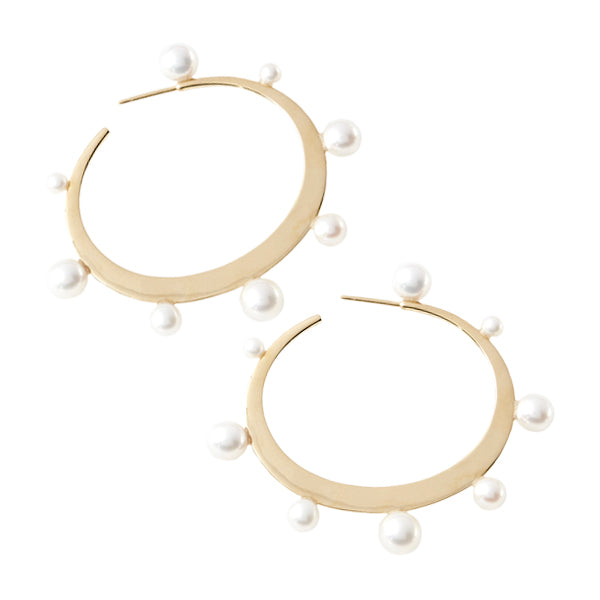
Polka Dot Elliptical Hoops
Regular price $5,200.00
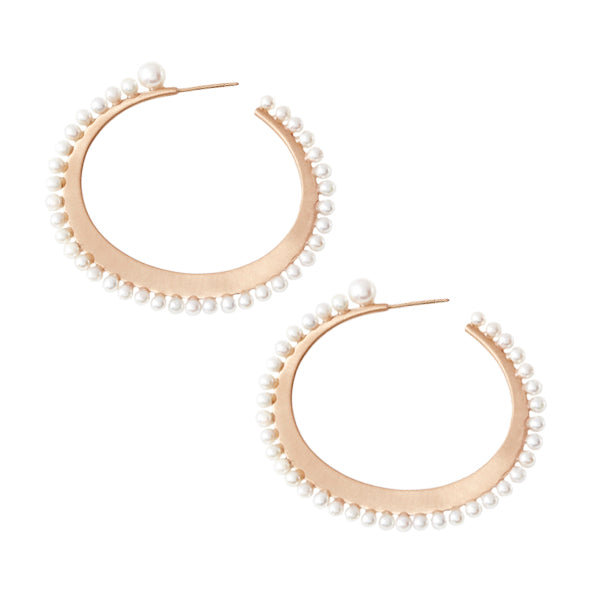
All Around the World Elliptical Hoops
Out of Stock
All Around the World Elliptical Hoops
Regular price $6,900.00
Shipswheel Hoops
Regular price $3,850.00
Diamond Studded Tribal Hoops
Regular price $2,250.00
You've viewed 24 of 27 result
Load more

The Four Pearl Varieties

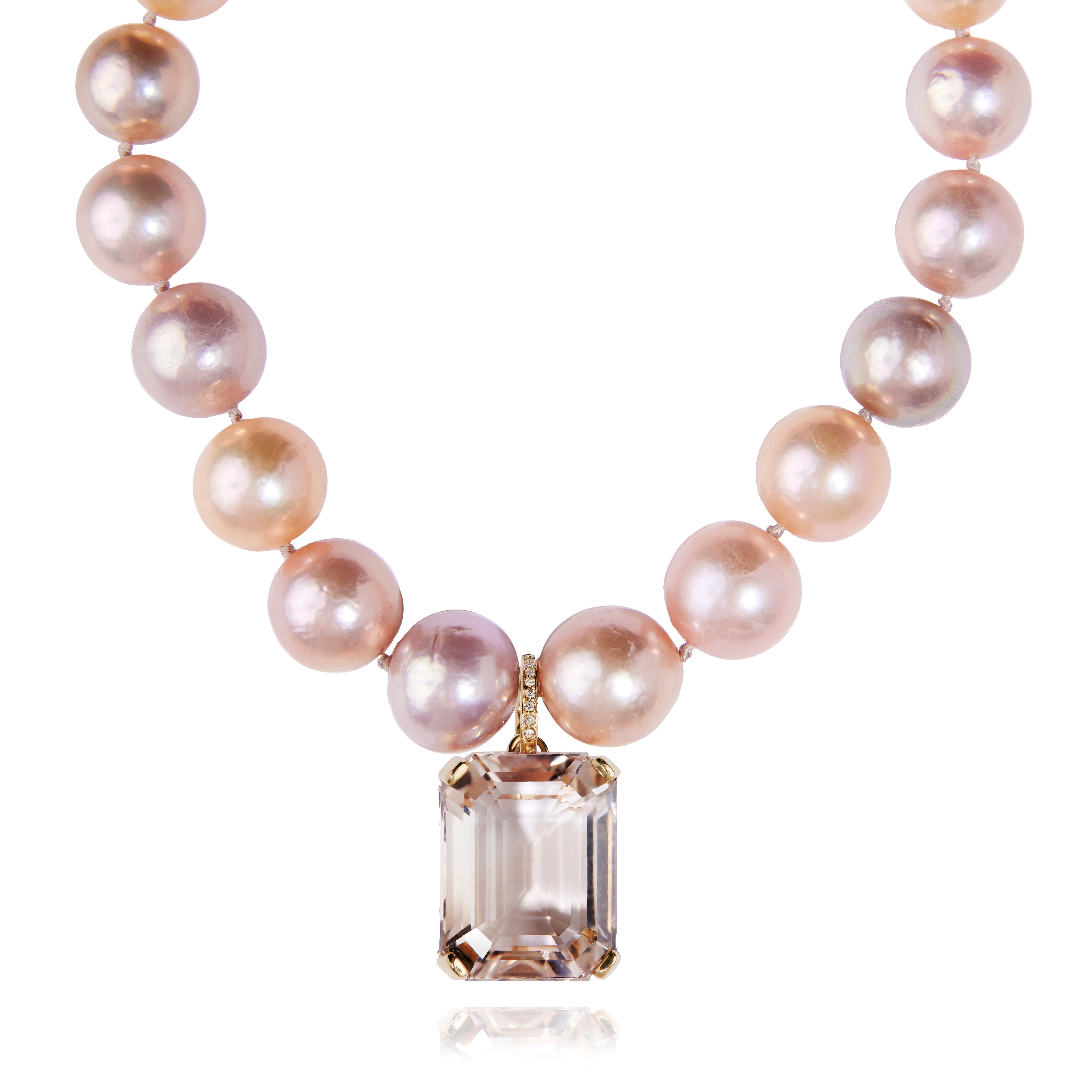
Akoya pearls come mainly from Japan and are the most consistently round of the four, with the sharpest, most mirror-like lustre. They run smaller than the other three varieties, which is part of why they're the classic choice for a strand or a small stud. Tahitian pearls are grown in black-lipped oysters around French Polynesia and are naturally coloured, ranging from grey and silver through green to near-black, never dyed to achieve it. No two are quite the same shade. South Sea pearls are the largest of the four, grown off Australia, Indonesia and the Philippines, and range in colour from white through champagne to gold. Their size is what drives their price more than anything else. Freshwater pearls are grown in mussels rather than oysters, mostly in China, and allow far more variation in shape and colour than the other three. The baroque, irregular pearls in this collection are freshwater.

Cultured Pearls, Explained

Every pearl in this collection is a cultured pearl: grown with a nucleus inserted by a pearl farmer, then harvested after the mollusk has coated it in layers of nacre over one to several years. This is standard practice across essentially all fine jewelry pearls sold today, including the vast majority of what's marketed as fine pearl jewelry worldwide. A true natural pearl, formed with no human involvement at all, is a genuinely different and vastly rarer thing, generally reaching prices far beyond what a cultured pearl of similar appearance commands. Cultured pearls are graded on lustre, surface cleanliness, shape and size, the same qualities that determine a natural pearl's value, just without the extreme rarity premium.

Mother of Pearl

Mother-of-pearl is not a pearl. It's the iridescent inner lining of certain mollusk shells, called nacre, the same substance a pearl itself is made of, but taken as a flat or shaped piece of shell rather than as the rounded formation a pearl becomes. The shimmering, shifting colour that gives mother-of-pearl its name comes from the same microscopic layering that gives pearls their lustre.

14K and 18K Gold with Pearls

The chemistry doesn't change for a pearl setting: 14K is still 58.3% pure, 18K still 75%. What changes is how much protective work the metal does. Purity details on necklaces.

For pearl settings specifically, the metal usually plays a supporting role rather than a starring one. 14K's added hardness suits a piece worn daily; 18K's warmer colour is chosen more often on the larger South Sea and baroque pieces, where the pearl itself already carries most of the visual weight.

Pearl FAQs

Are your pearls natural or cultured?

Cultured, throughout this collection. A cultured pearl grows the same way a natural pearl does, layered nacre around a nucleus inside a mollusk, except the nucleus is inserted by a pearl farmer rather than occurring by chance. True natural pearls are extremely rare and priced well beyond what these pieces reflect.

What is the difference between Akoya, Tahitian, South Sea and freshwater pearls?

They come from different mollusks in different parts of the world, and the differences show up in size, colour and lustre. Akoya pearls are the smallest and roundest, with the sharpest shine. Tahitian pearls are naturally dark, from grey to near-black. South Sea pearls are the largest, running white to gold. Freshwater pearls allow the most variation in shape and colour, including baroque, irregular forms.

Is mother-of-pearl a real pearl?

No. Mother-of-pearl is the iridescent lining inside certain mollusk shells, made of the same material, nacre, that forms a pearl, but taken as shell rather than as the rounded formation a pearl becomes. It's a genuine and different material, not an imitation pearl.

Why are baroque pearls irregular in shape?

Baroque pearls form when the nucleus doesn't sit perfectly centred as nacre builds up, resulting in an asymmetric shape rather than a round one. They're not a lower grade of pearl, just a different one, and freshwater pearls in particular are often cultured specifically to produce baroque shapes.

How should pearls be cared for?

Pearls are softer than gold or diamond and can be damaged by perfume, hairspray and direct contact with skin oils over time, so it's worth putting pearl jewelry on after other products rather than before. Wipe with a soft cloth after wearing. More on care here.

Can pearl jewelry be worn every day?

Yes, with more care than a diamond or plain gold piece. Pearls are softer and can scratch or dull with heavy daily contact, so a pearl worn constantly will show wear sooner than a gemstone would. Many people reserve pearls for regular but not all-day-every-day wear for that reason.