- Home
- Chains
Gold Chains for Women
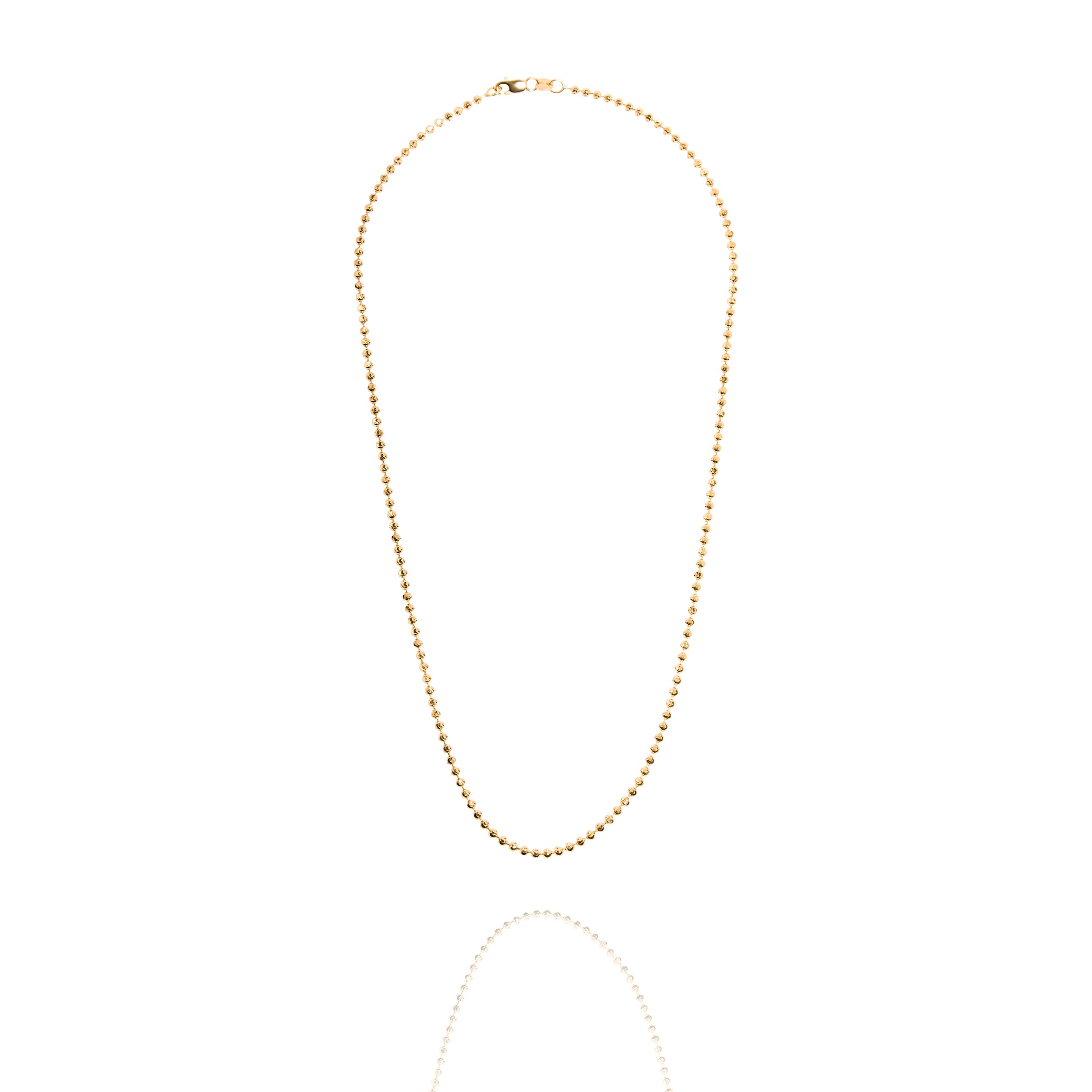
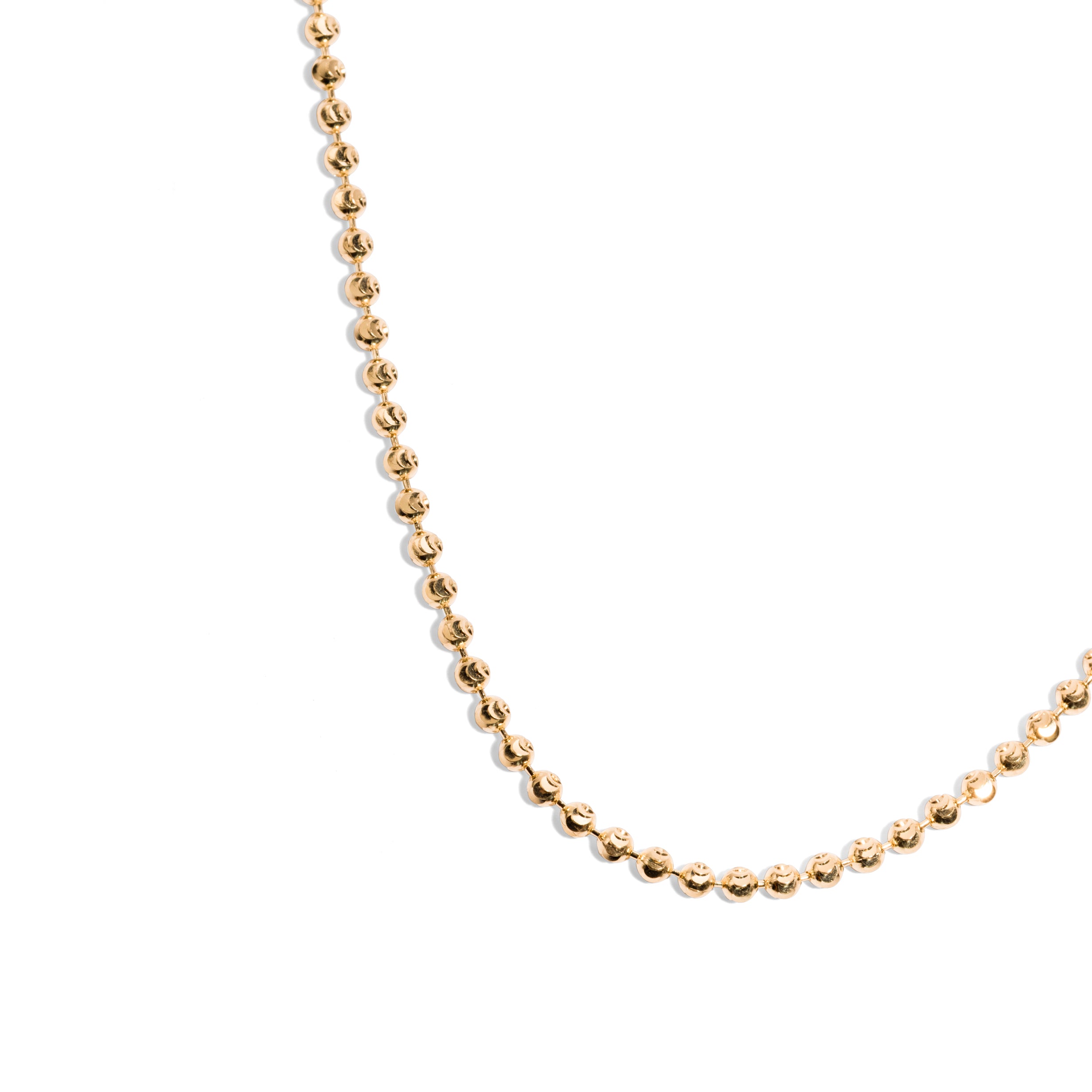
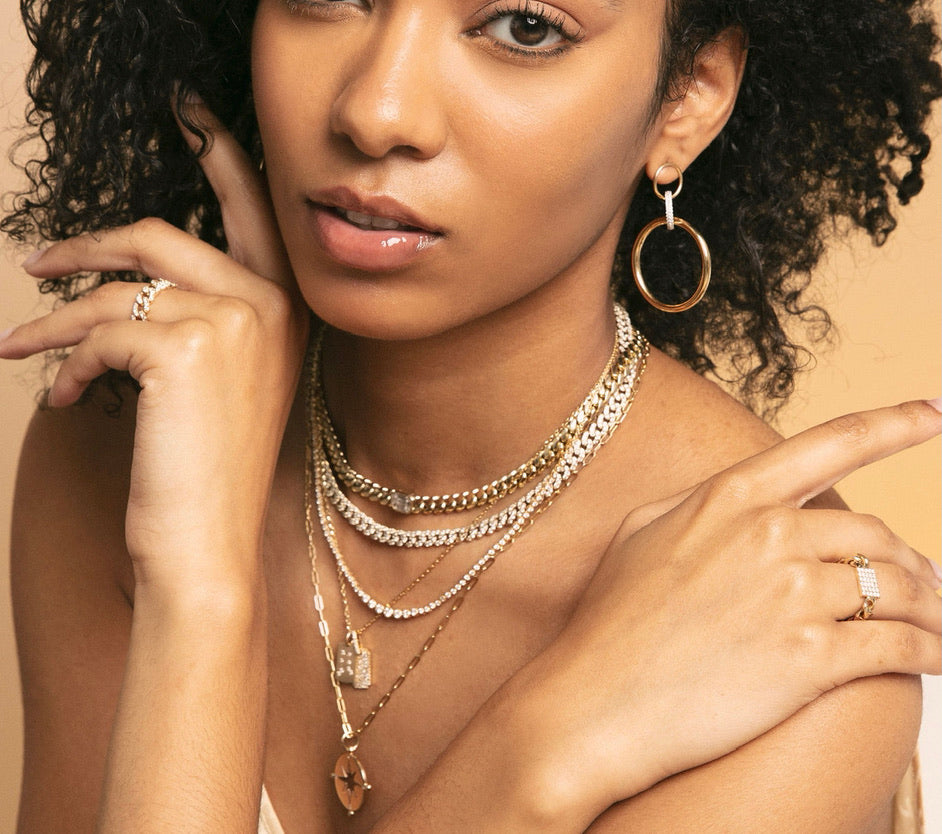
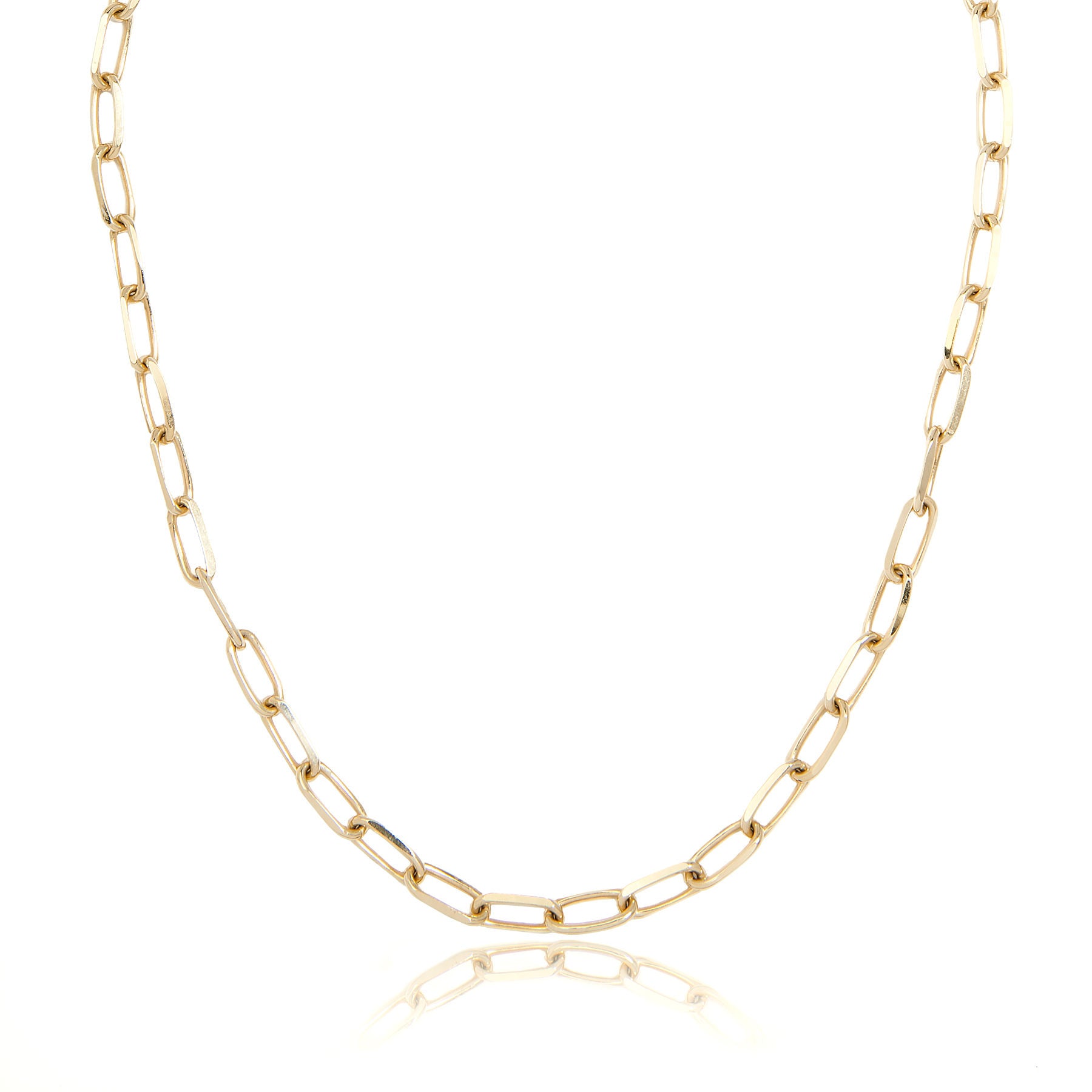
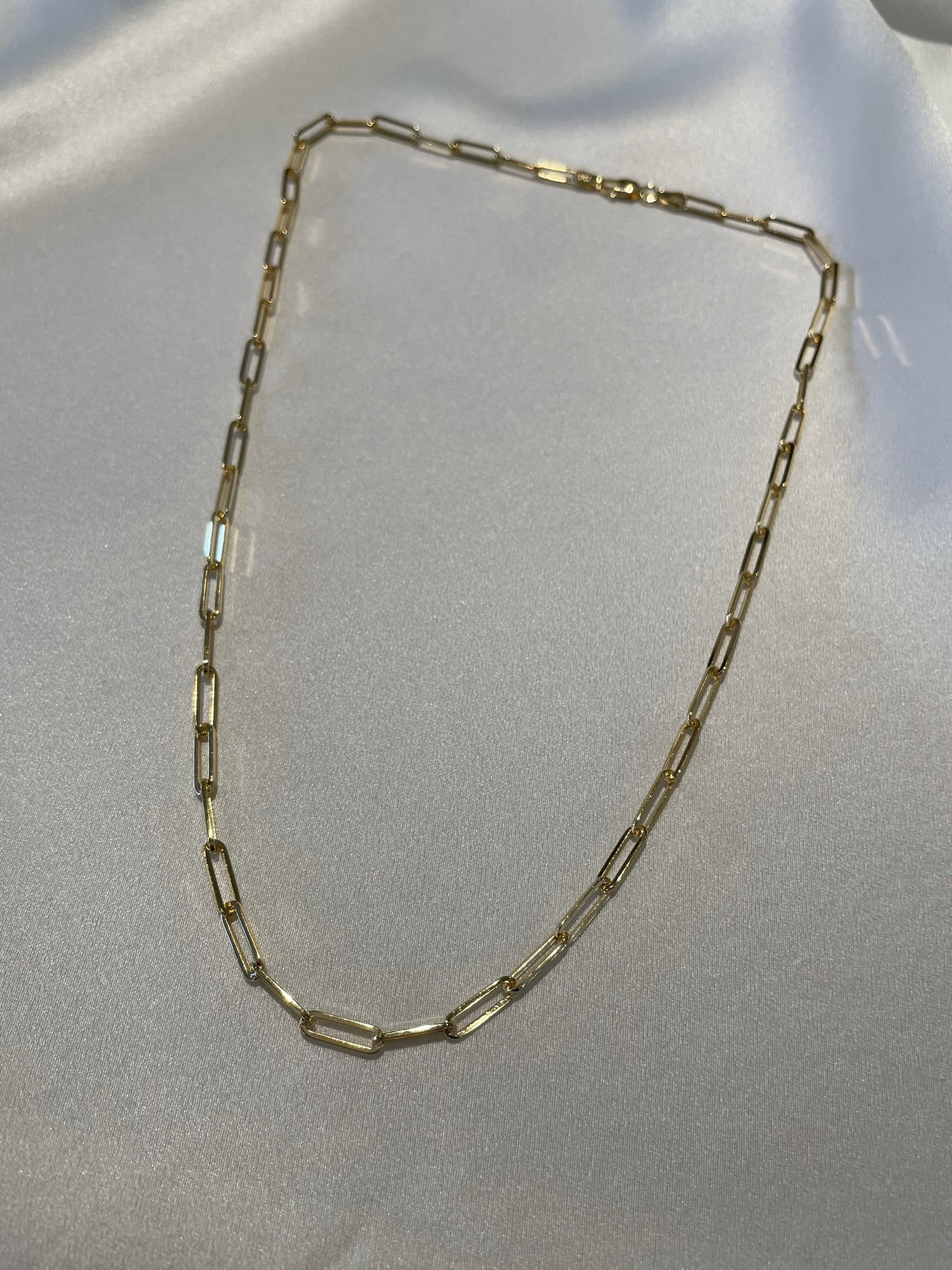
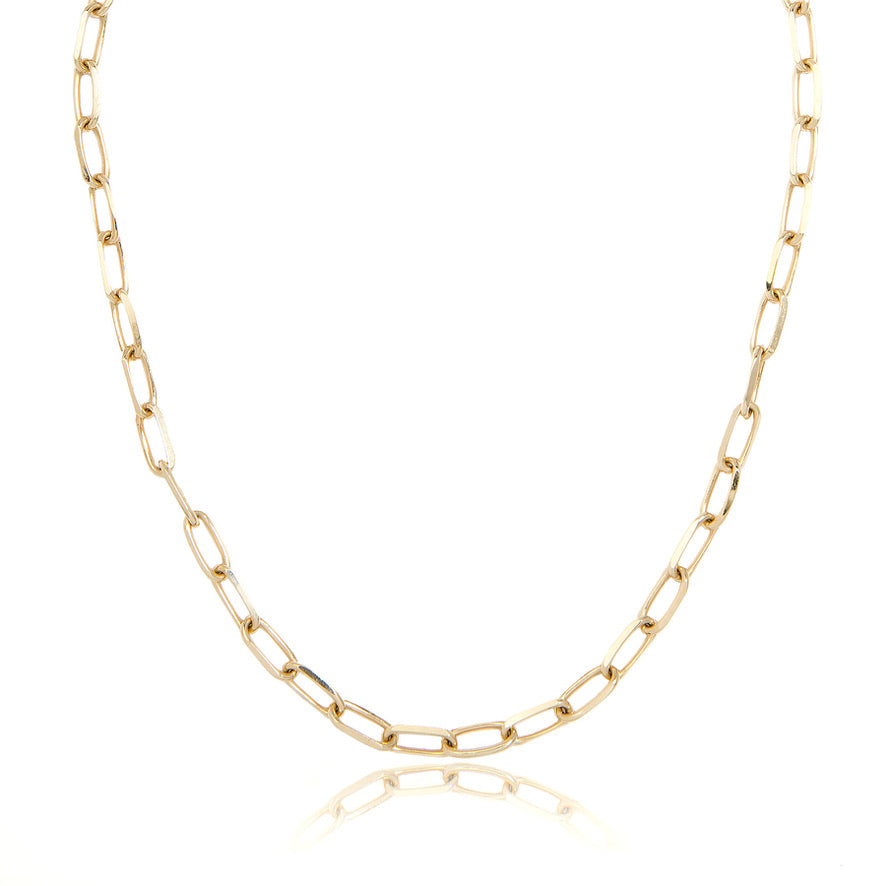
Every L.A. Stein chain is solid 14K or 18K gold. Nothing here is hollow, plated, or filled, which is why these hold their shape after years of daily wear instead of flattening at the clasp. The collection runs from fine chains you can sleep in to jumbo Italian links and diamond-set Miami Cuban. Wear one on its own, layer three, or use one to carry something that matters to you.
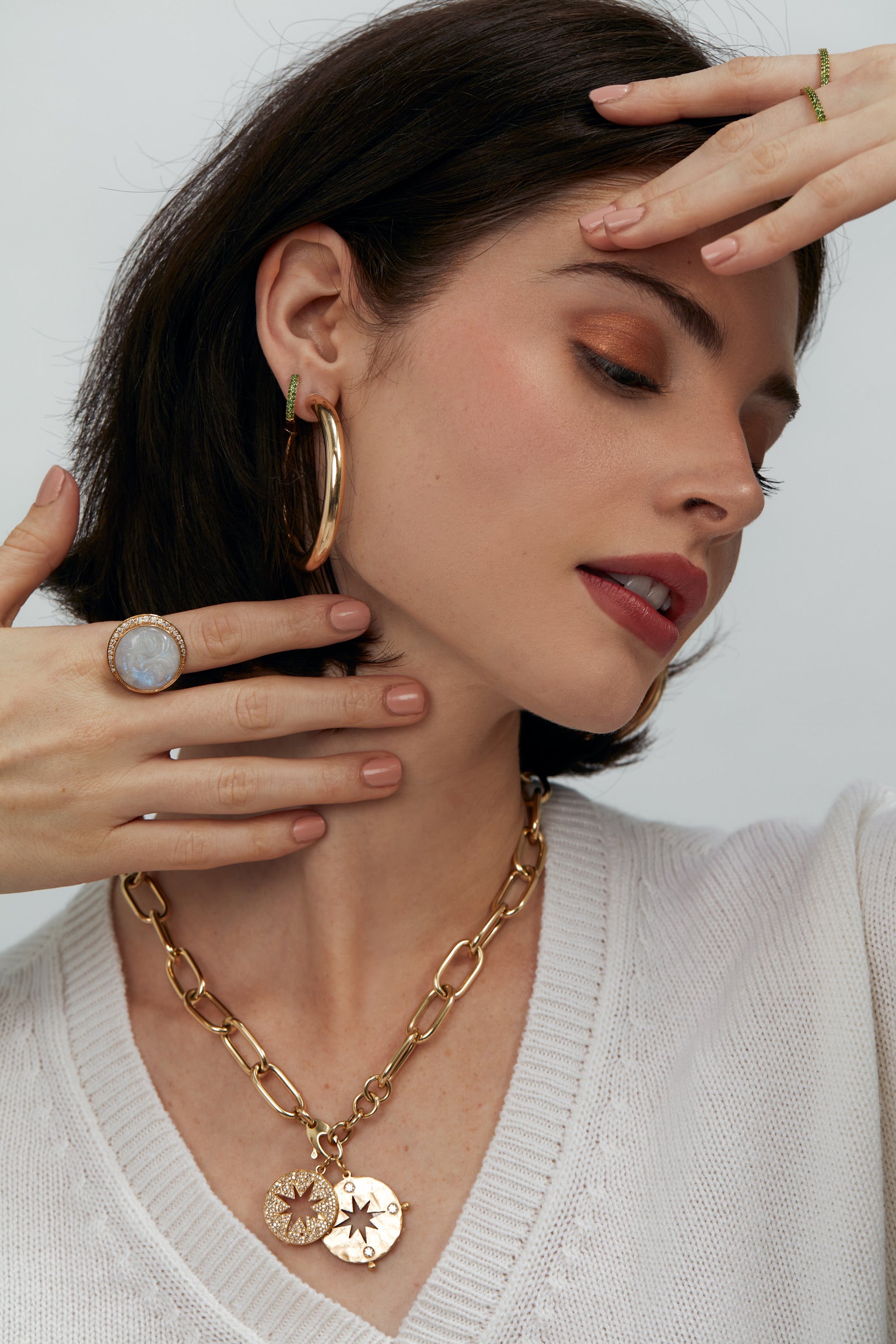
A chain is the piece you buy once and wear for a decade, so the construction matters more than the styling. Ours are solid-cast rather than hollow-formed, and the clasps are sized to the weight of the chain rather than to a standard part. Fine chains sit close to the skin and disappear under a collar. Link chains have structure and hold their line across the collarbone. Diamond pavé work on the Miami Cuban pieces catches light along the whole length rather than at a single point. Most of these are made to carry pendants and charms, and the bail sizes are cut to fit. If you are building a stack, start here and add from necklaces.
18K Gold Chains
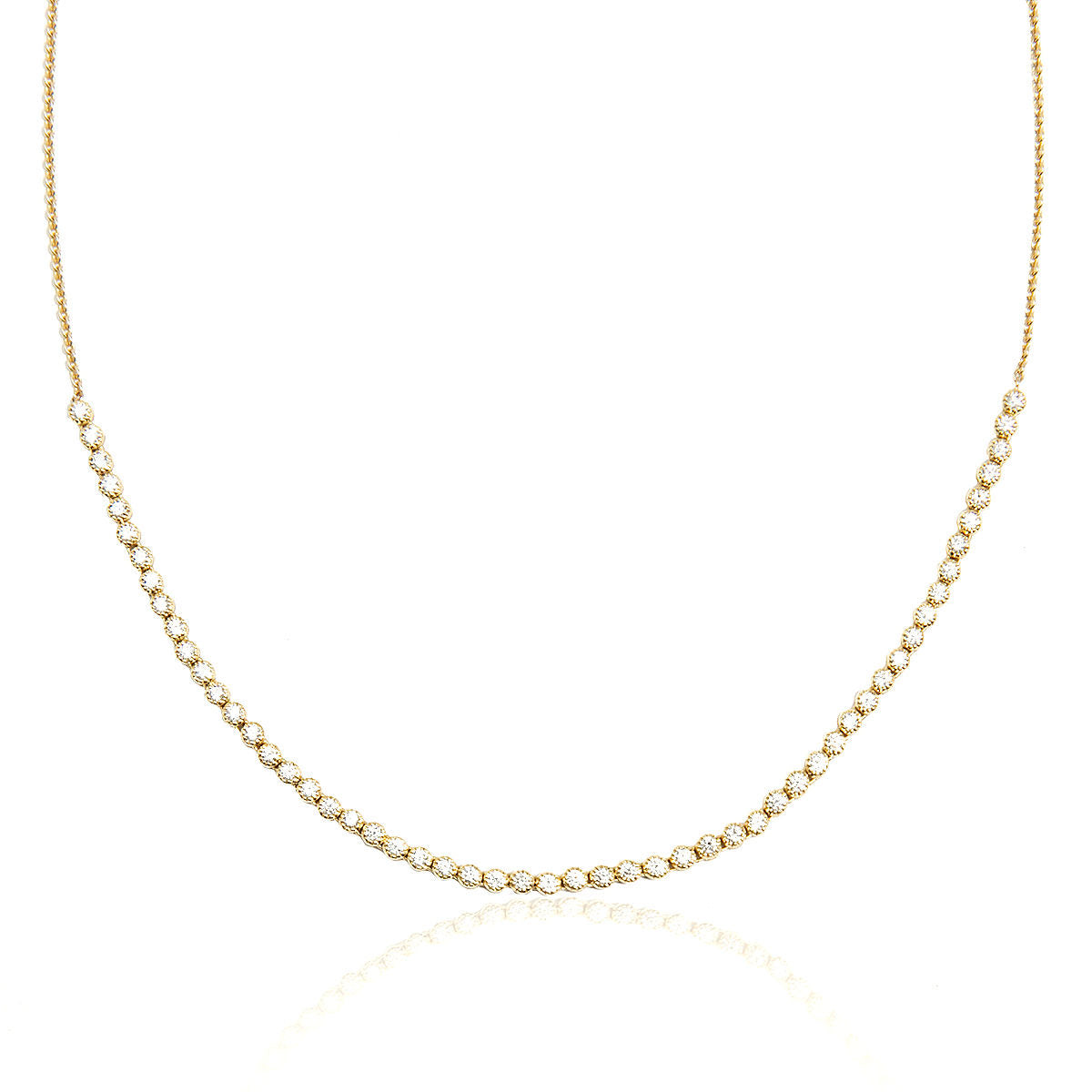
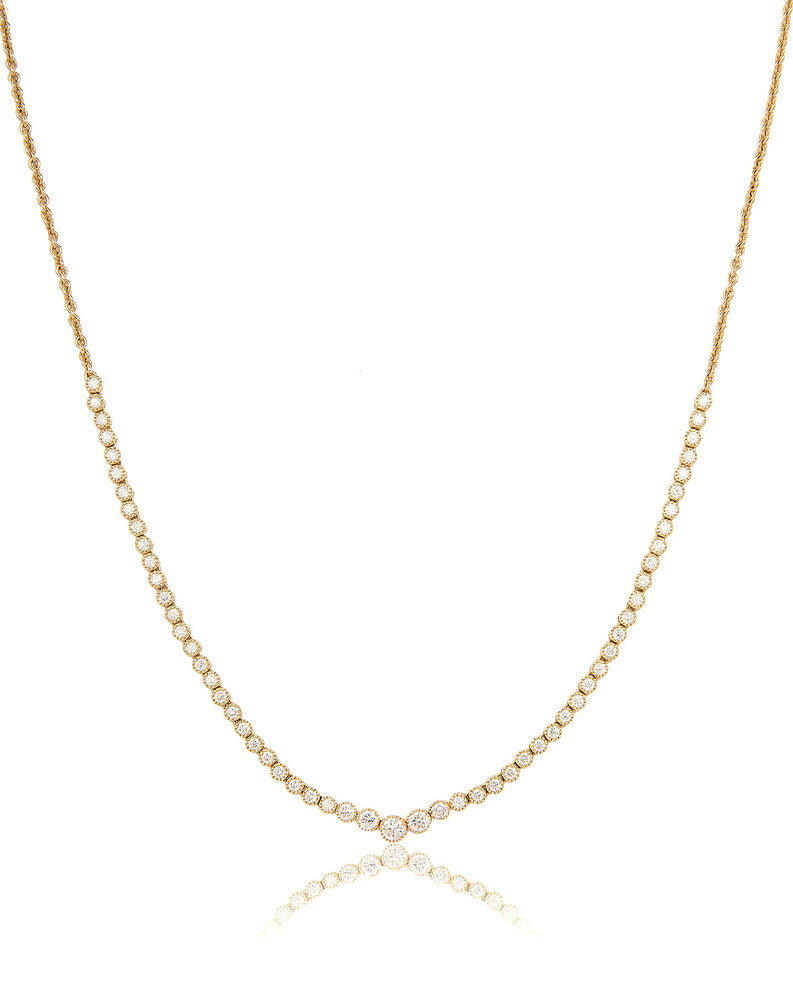
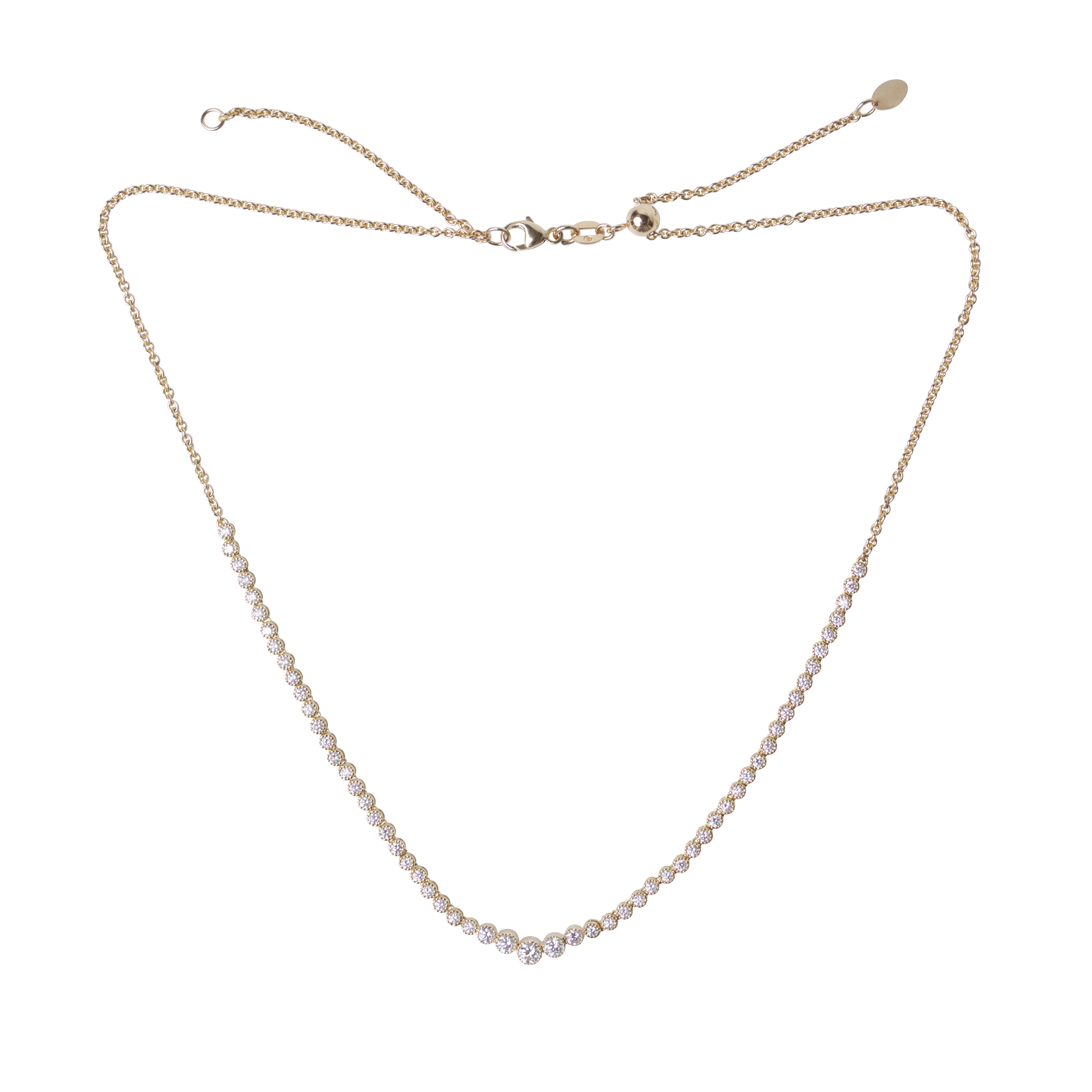
18K gold is 75% pure gold, which gives it a deeper, warmer yellow than 14K. The remaining 25% is alloy, mostly copper and silver, added for structural strength since pure gold is too soft to hold a link shape. The trade-off is hardness. An 18K chain scratches more easily than a 14K one, so it suits a piece worn deliberately rather than one that never comes off. If you want the richest colour and the metal itself is the point, 18K is the answer. Our 18K chains include the chunky diamond link and the mini diamond tennis with an adjustable chain.
14K Gold Chains
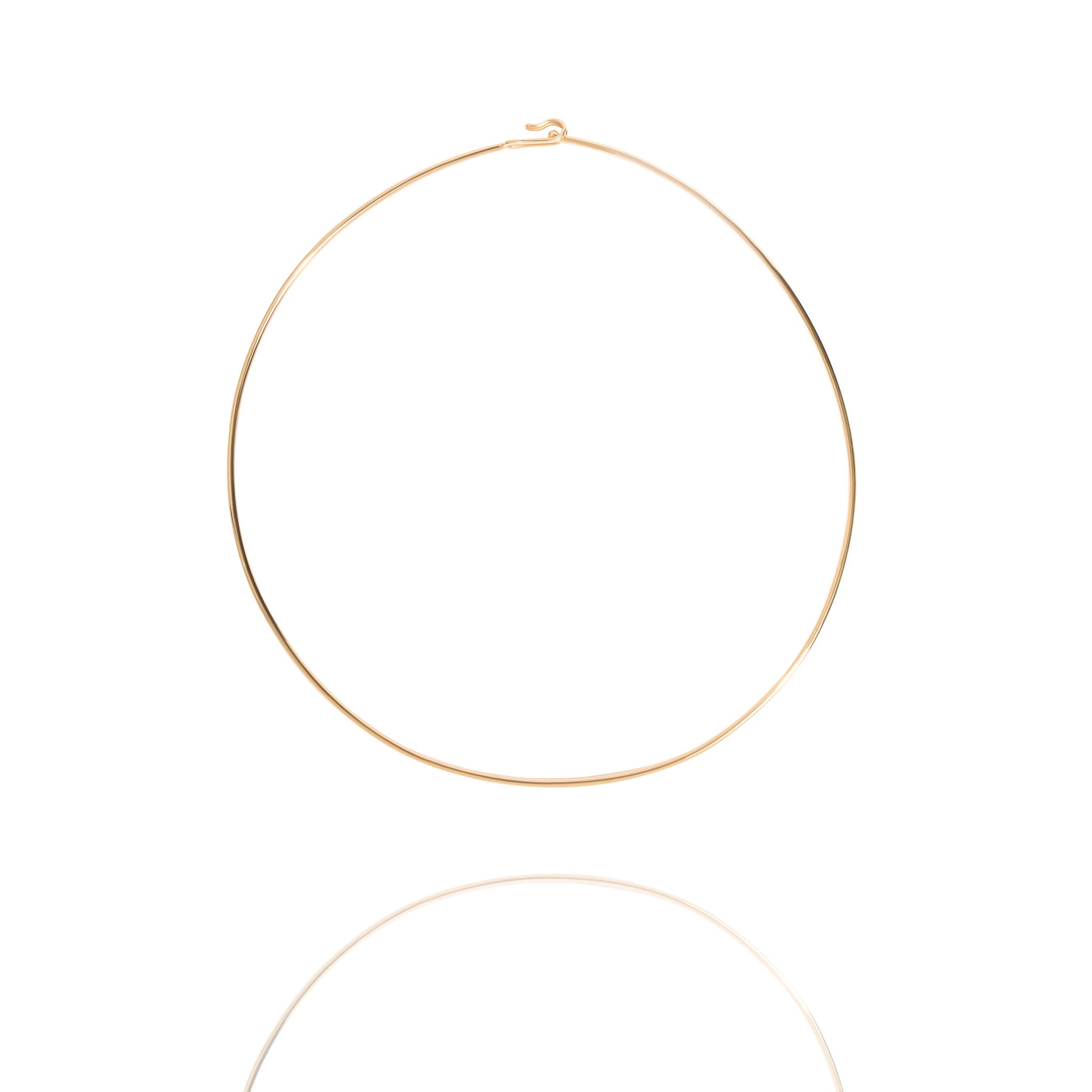
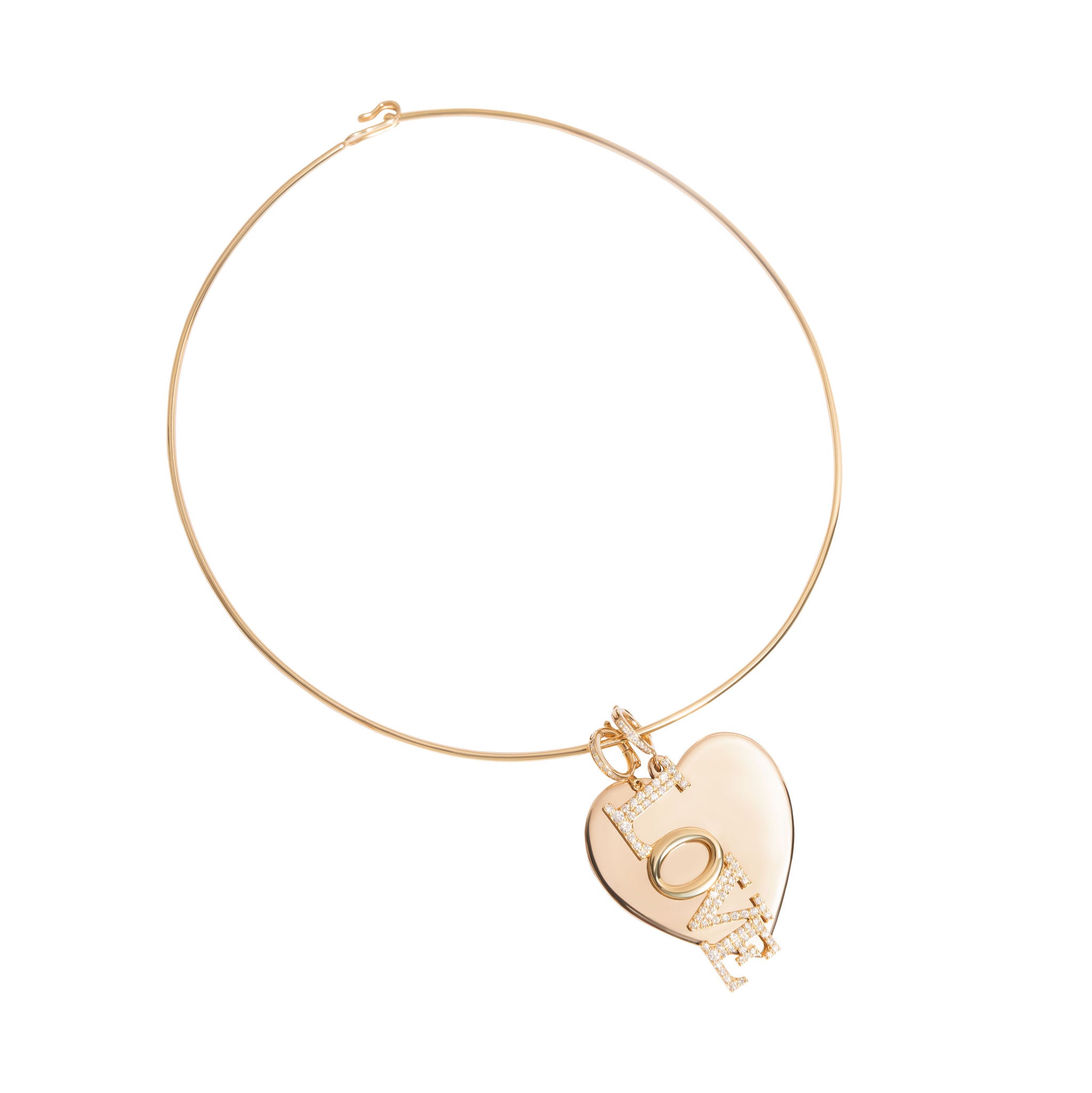
14K gold is 58.3% pure. The higher alloy content makes it harder and more scratch-resistant than 18K, which is why it is the standard for anything worn daily, slept in, and showered in. Colour is slightly paler than 18K, closer to a cool yellow than a deep one. For a first solid gold chain, or for a chain that will carry a heavy pendant, 14K is the more practical choice. It is also the metal for most of the collection, including the hand-forged wire collar, the jumbo oval link, and the solid long link styles. Solid 14K will not tarnish, will not turn skin green, and will not wear thin at the points of friction the way plated chain does. Care is minimal.
Link Chains and Miami Cuban
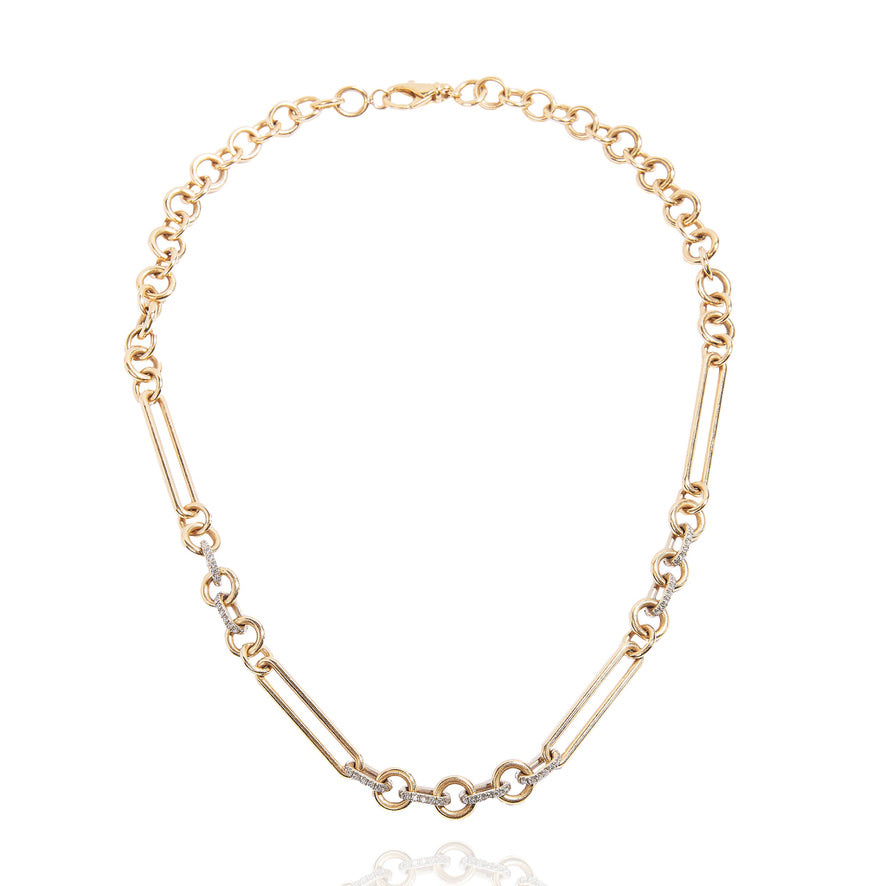
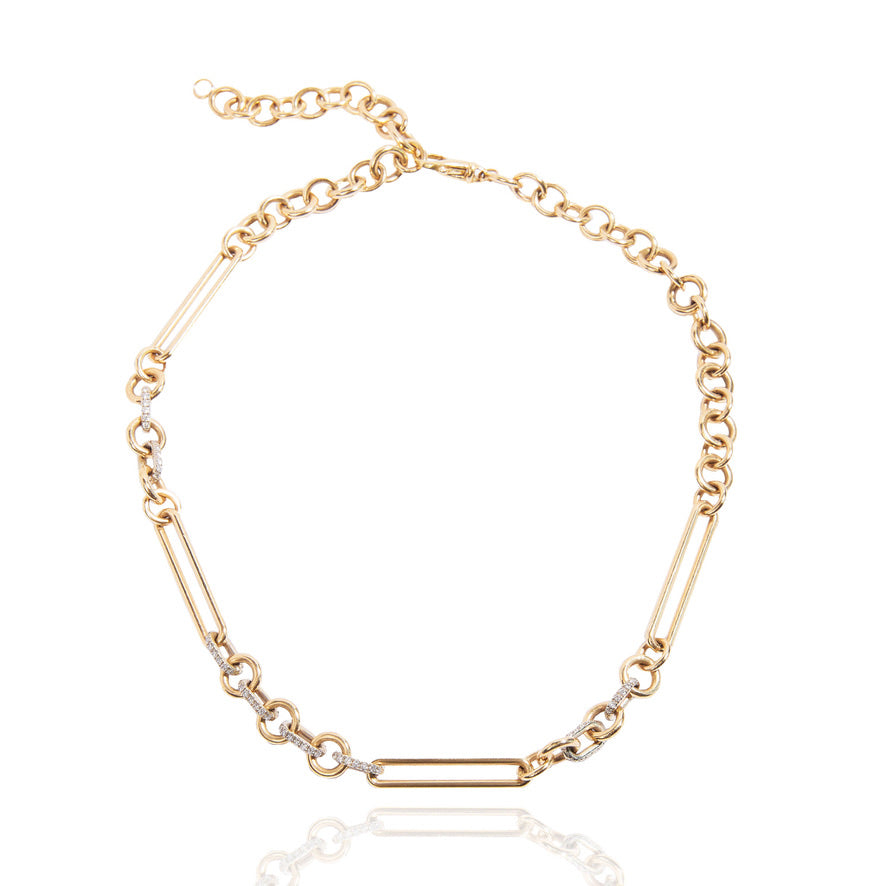
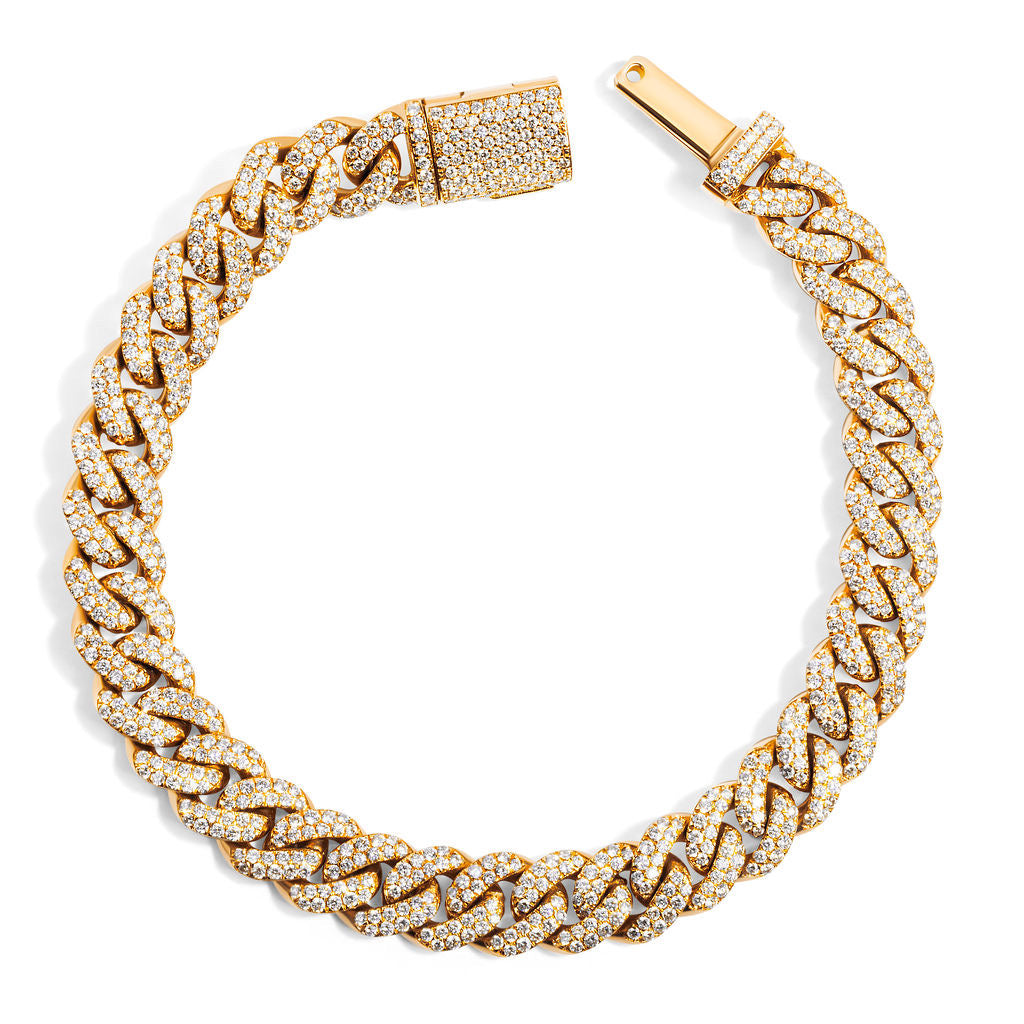
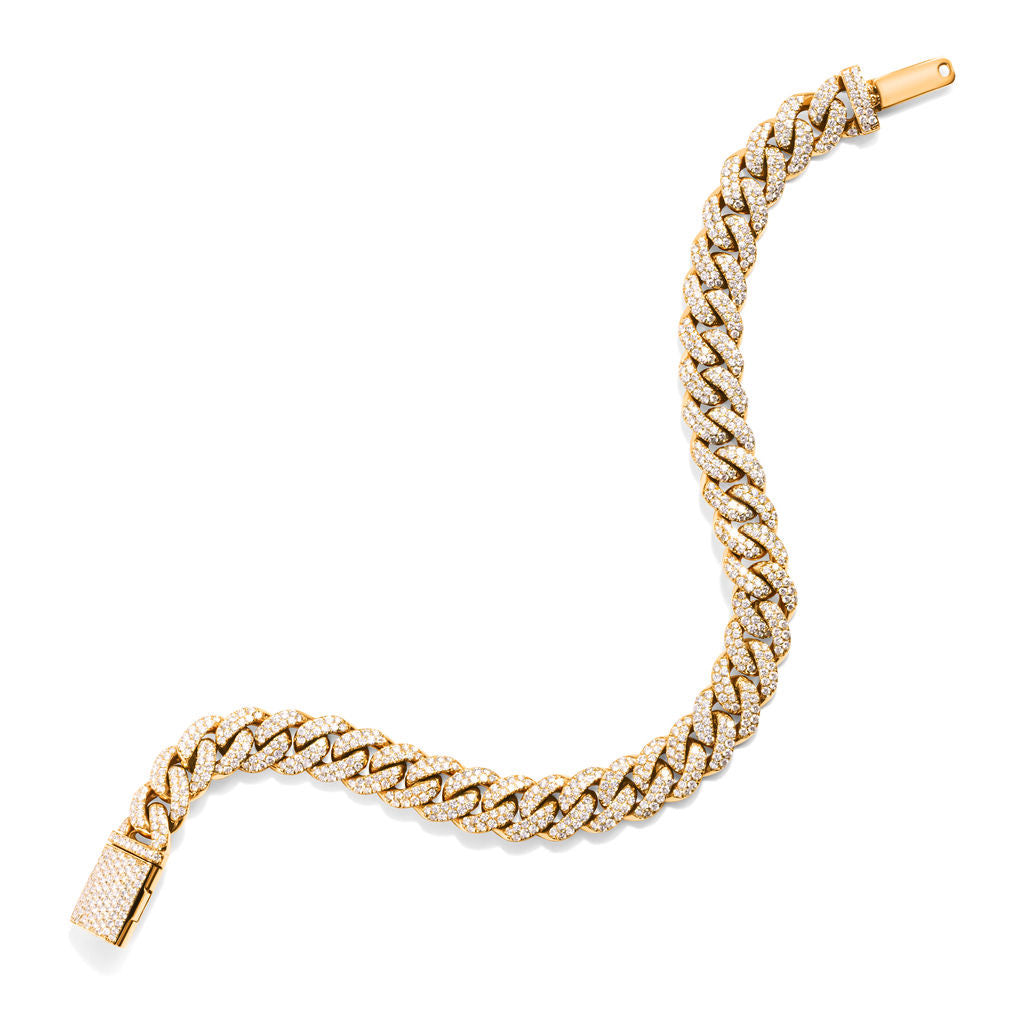
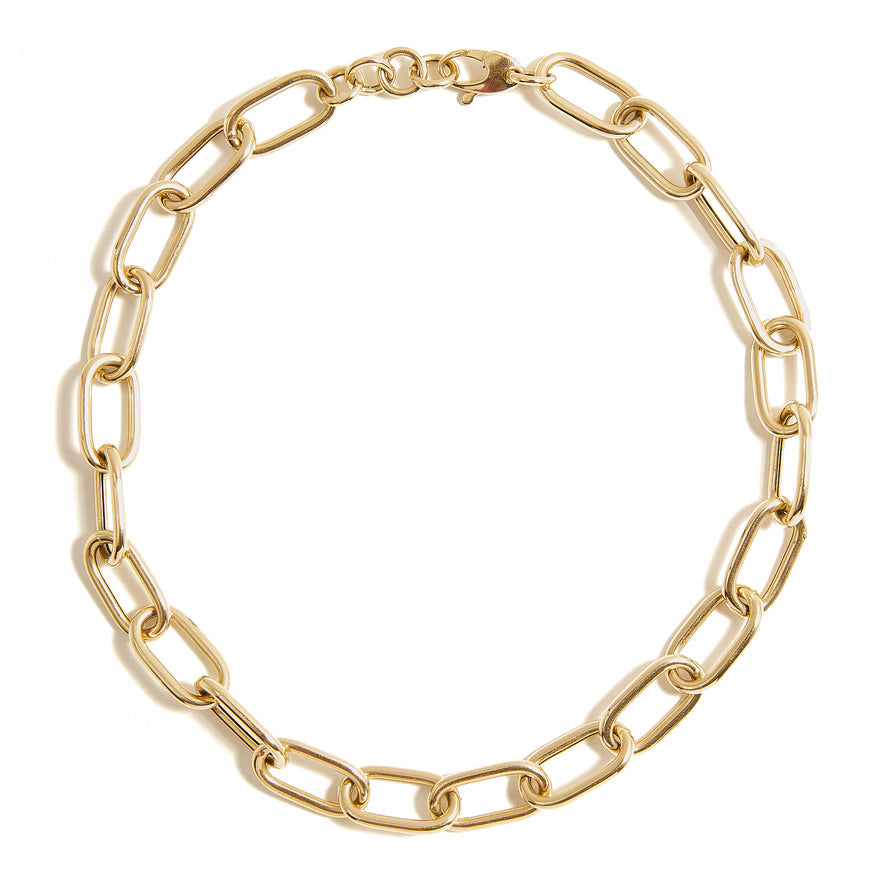
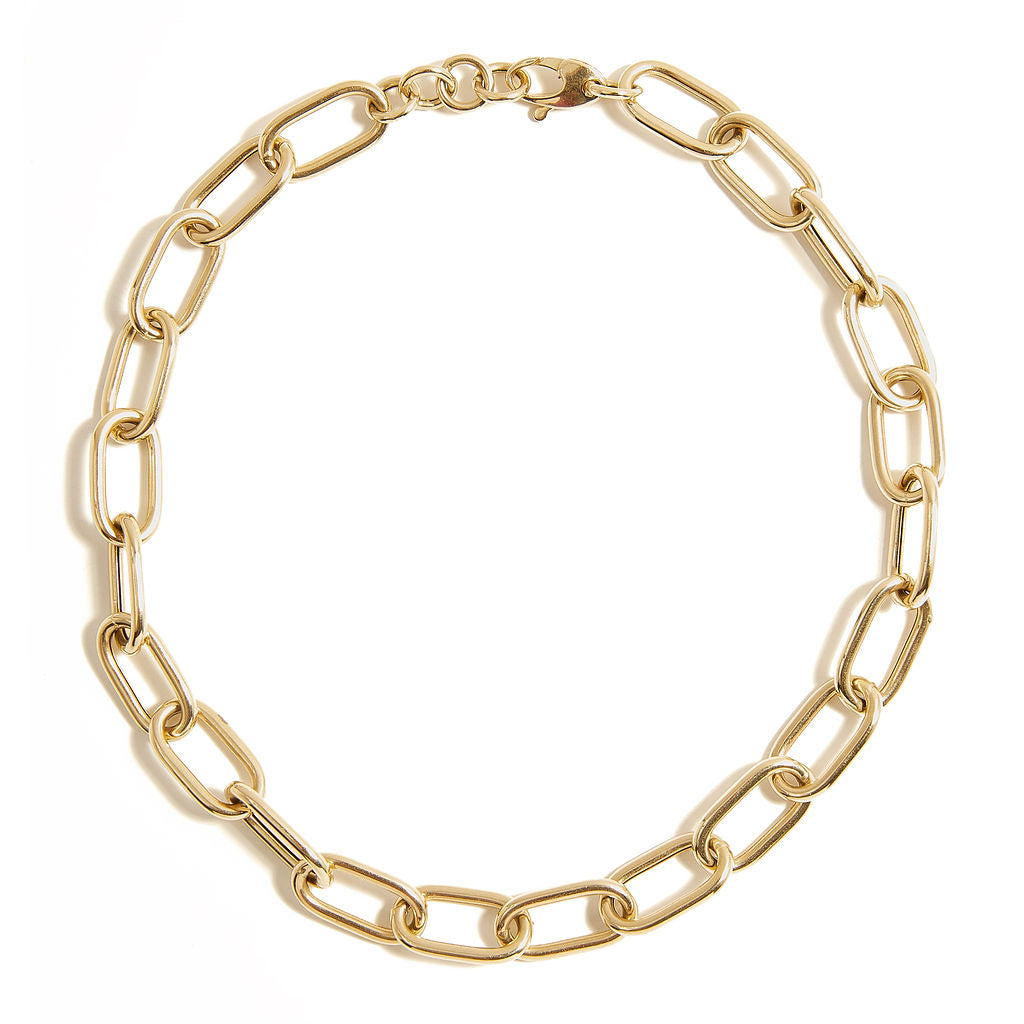
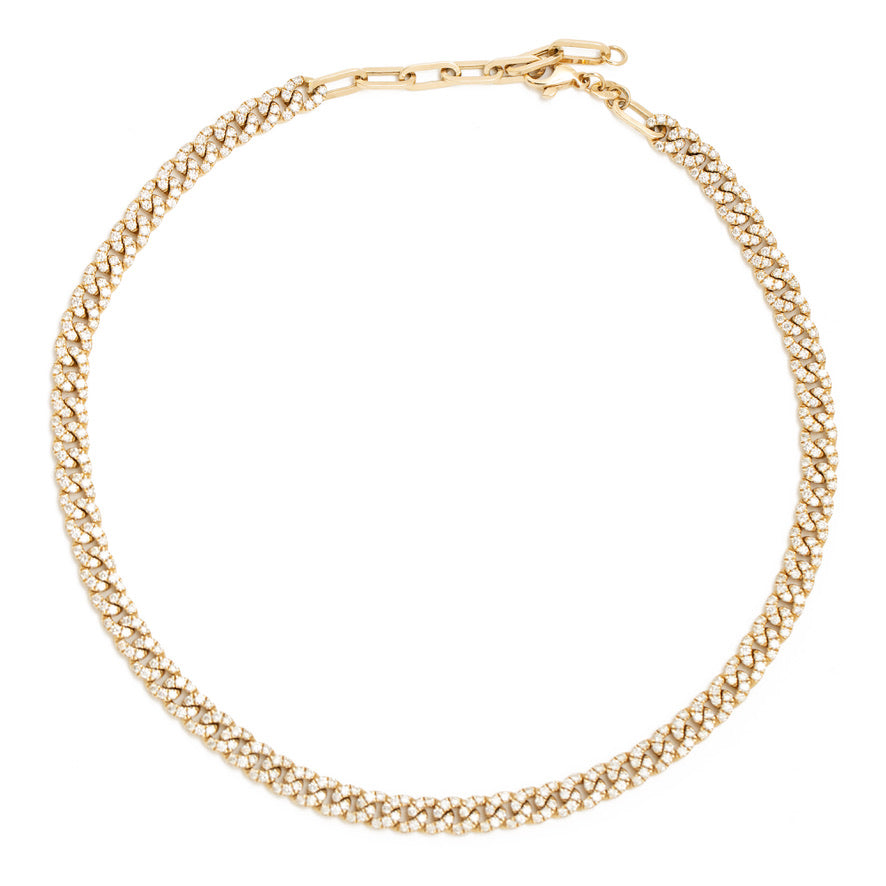
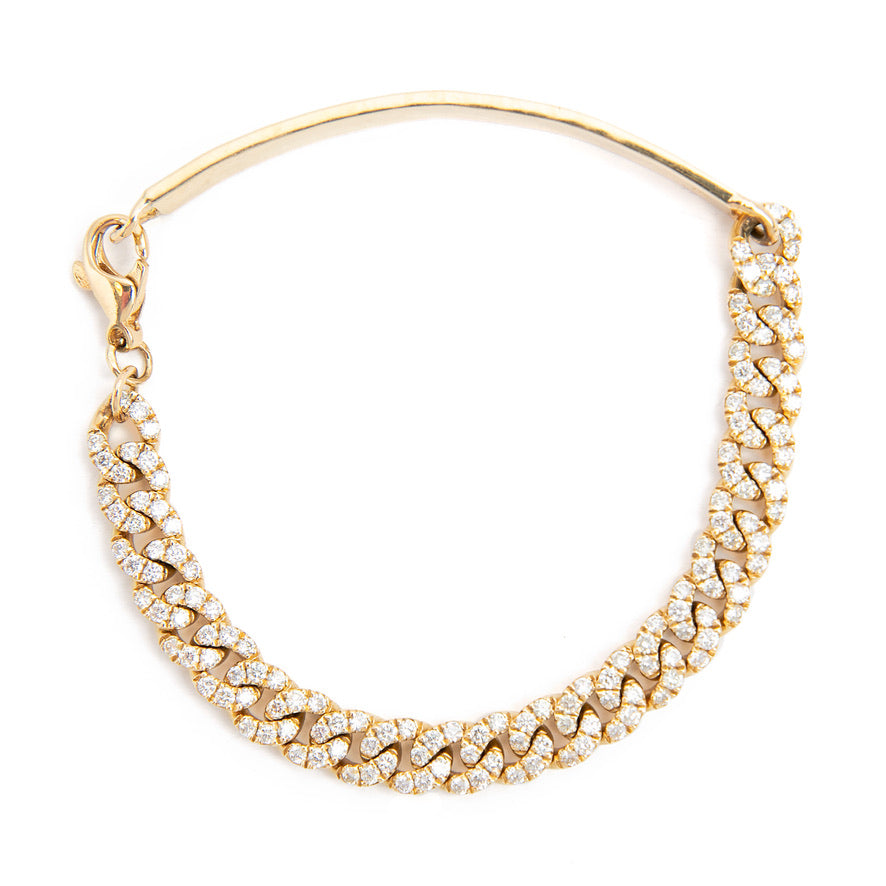
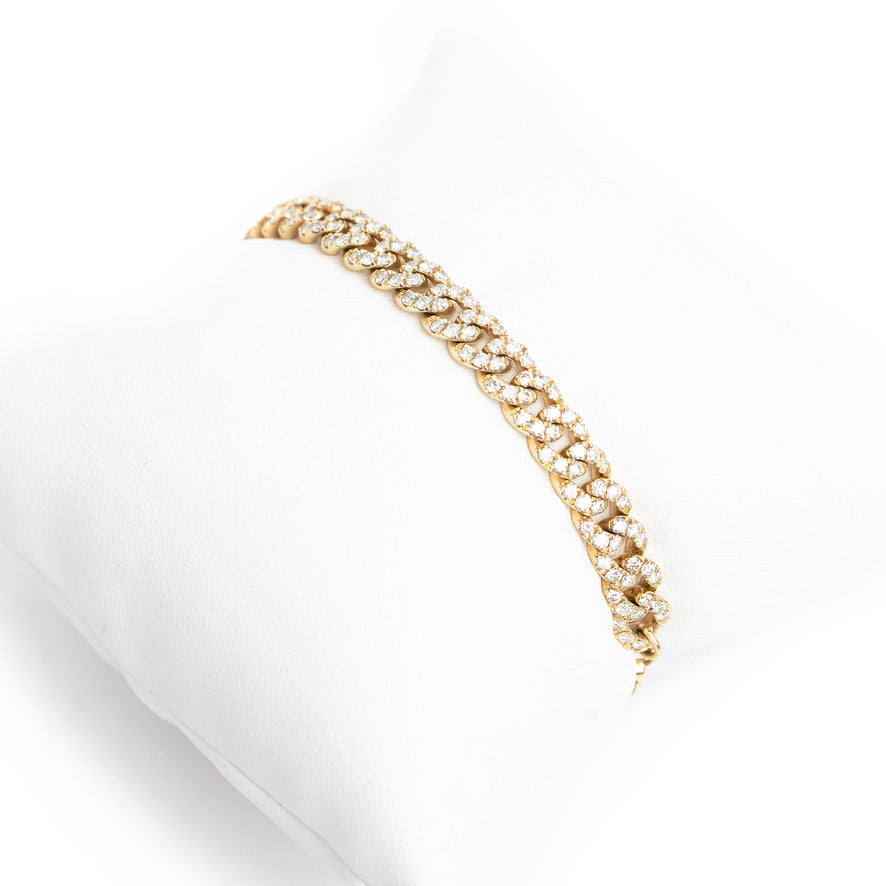
A link chain is any chain where the individual links are large enough to read as a design element rather than as a texture. The jumbo Italian link and the solid long link styles sit in this group, as does the solid gold link bracelet if you want the same construction on the wrist. Miami Cuban is a specific link pattern: flattened, interlocking, twisted so the chain lies flat against the body instead of rolling. Ours are set with pavé diamonds along the top face, in both necklace and ID bracelet forms. The practical difference between a fine chain and a link chain is weight distribution. Fine chains follow the neck. Link chains hold a line of their own, which is why they read as jewelry on their own and do not need a pendant.
Diamond Chains
Diamond chains here fall into two groups. Pavé work covers the surface of each link with small stones, which is what the Miami Cuban pieces do. Tennis construction sets a continuous line of larger stones into the chain itself, so the chain and the diamonds are the same object. Every stone is natural, not lab-grown. If you want a specific carat weight or a different setting, most designs can be made to order. For diamonds set into a plain chain rather than covering it, see floating diamonds, where stones are spaced along the length and sit flush.
Choosing a Chain Length
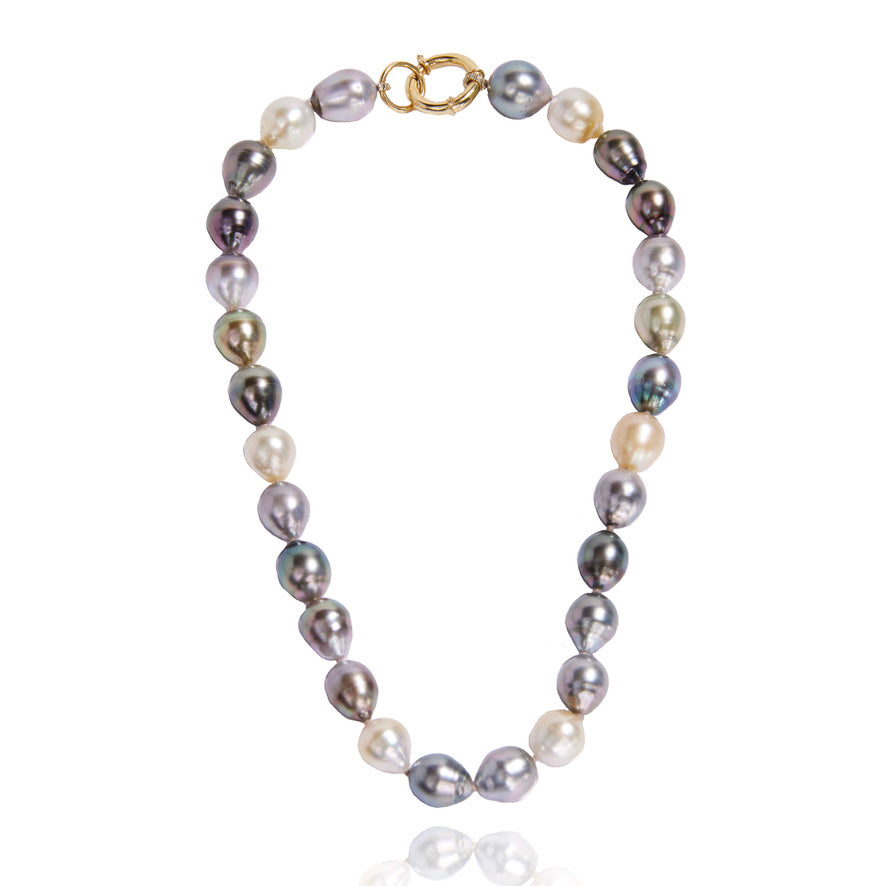
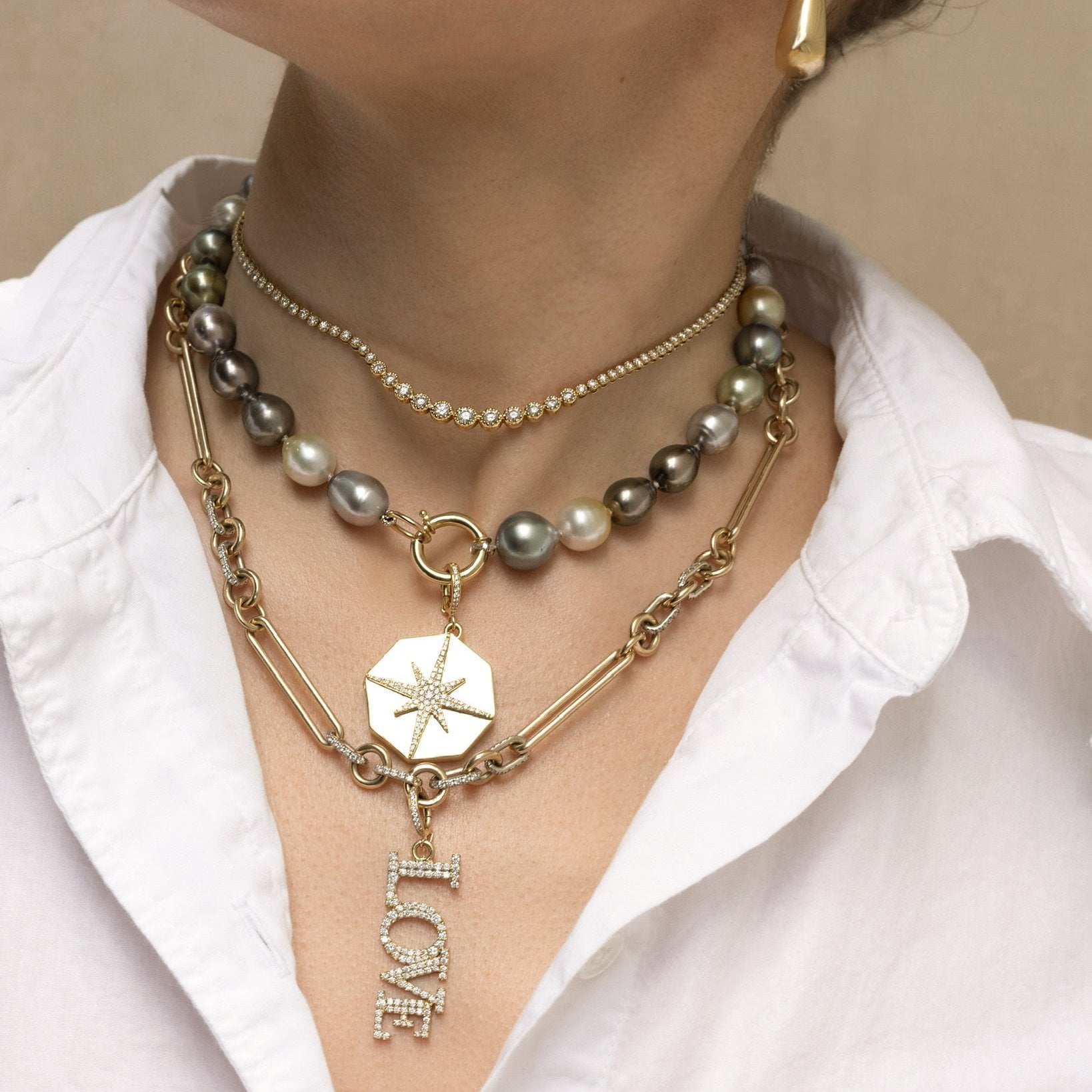
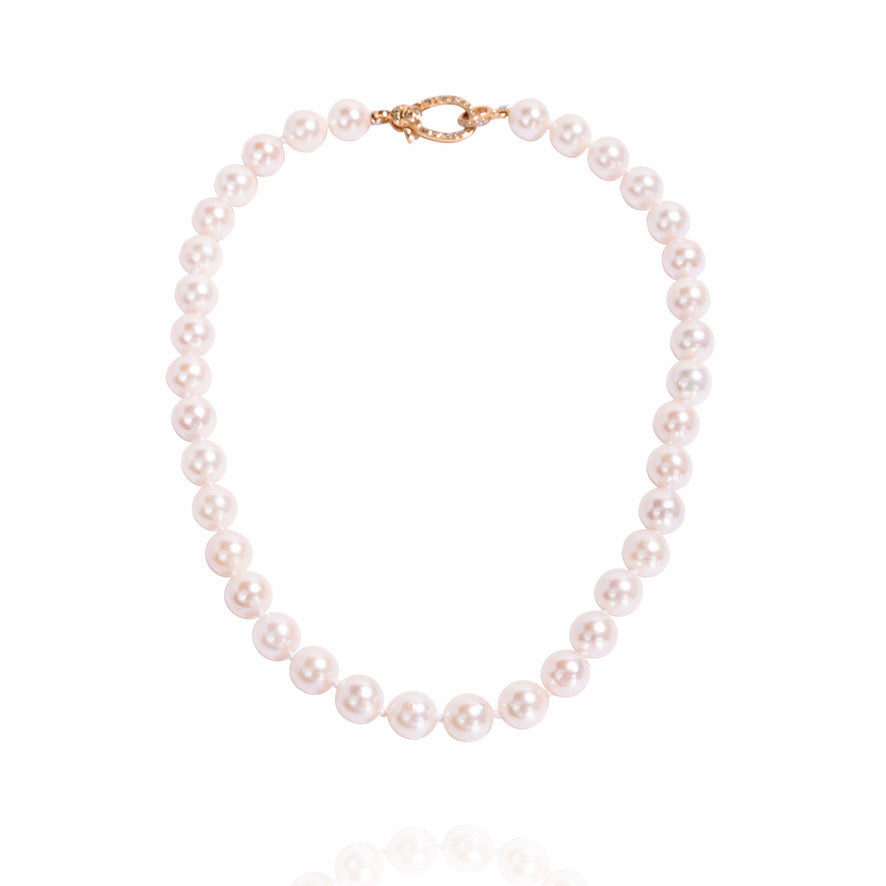
A 16-inch chain sits at the base of the throat. An 18-inch chain falls at the collarbone and is the most versatile single length. A 20 to 24-inch chain sits at or below the bust and works over knitwear and open collars. For layering, start with your shortest chain and add roughly two inches per layer. Chains of similar gauge worn at similar lengths are the ones that twist around each other. Varying both length and thickness is what keeps a stack readable. If you are pairing a chain with a pearl strand or a heavier pendant, allow the longer piece to sit outside the shorter one rather than the reverse.
Gold Chain FAQs
What is the difference between a fine chain and a link chain?
A fine chain has small links that read as a continuous line and sits close to the skin. A link chain has individually visible links with enough weight to hold their own shape across the collarbone. Fine chains are usually worn with a pendant. Link chains stand alone and do not need one.
What is a Miami Cuban chain?
A Miami Cuban chain is made of flattened, interlocking links twisted so the chain lies flat against the body rather than rolling over. It is heavier than a standard curb chain and holds a straighter line across the collarbone. Ours are set with pavé diamonds along the top face, in both necklace and ID bracelet forms.
What is the difference between a solid chain and a hollow chain?
A solid chain is the same gold throughout. A hollow chain has a tube of gold formed around an empty core, which makes it lighter and cheaper at the same apparent thickness. Hollow chains dent under pressure, cannot usually be repaired once kinked, and wear through at friction points. Every chain in this collection is solid.
Which chain is strong enough for a heavy pendant?
Match the chain gauge to the pendant weight. A fine chain will carry a small charm, but a heavy pendant on a fine chain stretches the links nearest the bail and eventually parts there. For pendants above roughly 10 grams, use a solid link chain. If you are unsure, tell us the piece and we will tell you what it needs.
Can a gold chain be shortened, lengthened, or repaired?
Yes. Solid gold can be cut, re-soldered, and re-polished, so length changes and clasp replacements are straightforward. Plated and hollow chains generally cannot be repaired, because there is no solid metal to work with at the join.
Why do chains usually break at the clasp?
The clasp is the smallest component and takes the most repeated stress from opening and closing. Most breakages are the jump ring next to the clasp rather than the chain itself, and both are replaceable. We size clasps to the weight of the chain rather than fitting a standard part, which is where most mass-produced chains fail first.
Can these chains hold a pendant?
Yes. Most are made to carry pendants and charms, with bail openings sized accordingly. Fine chains suit lighter pendants. Heavier charms need a solid link chain to hang correctly.